
Nutrition & Diet
What Is An Axolotl Diet?


What do you know about Axolotl? Just like any other animals out there, these creatures are special in one way or another, and so do they have special diets essential to their health. Here you will find all you want to know about the axolotl diet and some feeding challenges.
Let me just state an important point here—diet is extremely important for your axolotl. Their diet includes freshwater or frozen blood worms, brine shrimp, ground earthworms, and small whole fish. Feeding should be diverse to cater all the nutrients they will need to stay healthy.
What is an axolotl?
Axolotls are pretty cool little animals, which resemble lizards and some cute water dragons. Surprisingly, they are a species of salamander that will not develop past the larval stage and will spend their entire lives in the water as a result.
In other salamanders, they lose these features in adults, and such fully aquatic features as gills are absent. They originate from Mexico, and due to their splendid regenerative features, the amputees can receive new limbs, or the parts of the brain that are damaged.
That is why it is also possible to spot their unpretentious and attractive appearance, such as frills in the gills and a smile. Acquiring axolotls needs a tank with clean, cool water and an ample number of hiding places.
What is an axolotl diet?
An axolotl diet is the type of food axolotls feed on. They eat worms, insects, and small fish, making it a carnivorous or omnivorous animal. These water animals are meat eaters, which imply they require animal flesh to exist. In the wild, they use their sharp teeth to catch and devour their prey.
Feeding axolotl in captivity requires a diverse diet so that it gets its nutritional requirements from the food it takes. Food may include fresh or frozen bloodworms, brine shrimp, and small fillets of fish.
When feeding them, you shouldn’t give them foods too big for their mouths, as they can choke on them. Axolotls are not very selective in their choice of food; however, it is vital to watch the axolotls while eating, to know when to change their diet.
How often to feed axolotl
As a beginner, you may be wondering how often to feed your aquatic friend. Here are some tips to help keep your axolotl healthy:
Ideally, you should feed your axolotl pet say two to three times a week, but this depends on the size and age. Like every other negative aspect of feeding, overfeeding is also a bad thing because it can lead to obesity, and other diseases.
Axolotls are slow-moving animals, so, they don’t require frequent feeding. No doubt, they need food, however, you should concentrate more about their diet. At least feed the axolotl with bloodworms, brine shrimp, and axolotl pellet foods, among others. These will enable you to feed your axolotl properly to ensure that it consumes each nutrient necessary for its survival.
Do not overfeed your axolotl; divide the foods into small portions and feed the animal with what it can consume within 5-10 minutes. Feeding an axolotl beyond his or her capacity leads to overfeeding, and so your axolotl becomes overweight, or even obese.
For a juvenile axolotl, or an axolotl growing rapidly, you may have to feed more often. For more details on what to feed your axolotl with, consult a vet or other experienced owners.
Monitor their weight: If axolotls are fed more than they should be, then they will end up being overweight. So, you must keep an eye on them and control their feeding.
Pay attention to the activity level and eating habits of your axolotl. If it looks sleepy or is not eating its food, it may be sick and require veterinary attention.
Types of food axolotl eats in the wild
- Small fish: Small live fish are very good for axolotls; the type recommended is minnows or guppies.
- Other kinds of foods: They also like taking insects, including worms, crickets, and small shrimp.
- Fish: Small endogenous fish have also appeared to be part of the axolotls’ diet, as well as small shrimps and some crabs.
- Aquatic plants—take note that axolotls are not strictly carnivorous, which is why they may feed upon algae or waterweed.
- Snails: Such slow-moving animals are also among the axolotl’s natural diet.
- Earthworms: This pet can eat earthworms or any small worms they would find in their natural environment.
- Invertebrates: They can also feed on other tiny invertebrates, such as water fleas and insect larvae.
- Do not feed your axolotl with live fish or insects you buy from the pet store, as they can contaminate with parasites that endanger your axolotl. The pets are better off being fed in small amounts few times a week than eating a large meal at a go.
- However, overfeeding your pet can cause some health complications, for example, obesity and digestive system complications. If possible, you should also feed your axolotl in another container to help control portions that are given to them as well as not having to clean the uneaten food from the tank. Always remove any uneaten food after feeding to allow water quality and prevent bacteria growth.
Feeding tips for picky axolotl eaters
Offer different food options: Axolotls can be picky eaters, so it’s important to offer them several live food varieties to make them eat.
Live food is best
Axolotls prefer live food like bloodworms, earthworms, and small fish. These foods provide essential nutrients and also simulate their natural hunting instincts.
Try different feeding techniques
Perhaps some axolotls will try to eat once the food is moving; that is how tempting they can be. You can force the food in front of them by using a turkey baster or tweezers to rock it.
Avoid Overfeeding
Generally, axolotls have low metabolic rates, so do not overfeed them. As much as they may be delicate, you should feed them a small amount of food every other day to prevent obesity and also to ensure they get their daily dose of nutrition.
Monitor their behavior
If you find your axolotl not eating well, check other signs to know if your axolotl is sick or under stress. If you have any questions or concerns, always speak with a vet.
Consider using a feeding dish
Some axolotls may be more prone to feeding from the feeding dish than into their drinking bowl. This can help to solve the problem if they find it difficult to eat.
Keep food fresh
Make sure to remove any uneaten food after feeding to prevent it from spoiling in the tank. Fresh food will be more appealing to picky eaters.
Homemade Food for Axolotls
- For those who wish to feed their axolotl with some homemade foods, it is for the best. Here are things to consider.
- Include different fresh products. Axolotls love a mix of protein-rich foods like earthworms, bloodworms, and small fish, as well as veggies like chopped spinach, carrots, and peas.
- Avoid using store-bought pellets or freeze-dried foods because they are not as nutritional as the ingredients in their fresh form.
- Just combine or cut the food into small pieces, which will be easy for axolotl to take down. This also prevents them from choking on large pieces.
- Take a look at adding more calcium to its food mix since the axolotl needs it to build strong bones and teeth.
Read also: Can Too Many Treats Give Cat Diabetes?
Axolotls Foods to Avoid
- Do not give your axolotl foods that are hard or consist of things with a sharp texture; these foods can rupture the delicate digestive tracts.
- Do not use live insects or feeder fish for your axolotl, as that could be a source of parasites or diseases that could affect your axolotl.
- Avoid feeding your axolotl large pieces of food that may be likely to cause blockage or choking in the throat.
- Do not give your axolotl dairy products because they have a very low lactase level.
- Avoid giving your axolotl spicy and seasoned foods, as they can harm their sensitive skin and gills.
- Do not feed your axolotl with processed or packaged foods that contain preservatives or additives.
Axolotls are wonderful pets that need a proper diet to feed on. Of these aquatic salamanders, the main diet includes worms, small fish, and other water amphibians.
You must not feed them insects or foods that contain fats. Diet is essential in axolotls to ensure they are healthy; so, ensure that they eat a variety of foods but make sure they are fresh.
If you are in doubt about what you should be feeding your axolotl, consult a veterinarian or an axolotl owner for guidance. Axolotl is a flesh-eater; spend time and learn all you need to know about its diet. Feed your axolotl right!



The best multivitamins for women over 50 are designed to give the necessary support to the changing body. After 50, nutrient absorption in women changes. Besides, hormone levels fluctuate. Bone strength, digestion, and energy levels can all be influenced by these changes. A smart multivitamin on its own can cover nutritional gaps without causing stomach problems or carrying unnecessary additives.
Unexpectedly, many women who do nutritious eating still cannot get their key nutrients right. The reason is that the body, after a certain point, doesn’t handle vitamins and minerals as it should. Also, menopause influences calcium, iron, and other nutrient utilization. This is why the correct multivitamin choice becomes even more important for the elderly.
Best Multivitamins for Women Over 50: How Nutrient Needs Change
With age, a woman’s body needs more and more support to remain in good shape. It is common for bone loss to occur. Muscle mass gradually reduces. The stomach produces less acid, which can change the way the body absorbs nutrients.
The best multivitamins for women over 50 are all about helping the body in the period of wear and tear, and not the period of growth. They work with the bones, energy, and immunity without burdening the body.
Some of the most important nutrients are:
- Calcium and Vitamin D for bone health
- B vitamins for energy and maintaining healthy nerves
- Magnesium and zinc support the muscle and immune system.
Menopause and Multivitamin Formulas
Menopause is not only about the changes in the menstrual cycle. It also affects the way the body metabolizes nutrients. Estrogen level fluctuations can lead to accelerated bone loss and adversely impact cholesterol levels.
In fact, many women experience digestive system changes during menopause. That’s why multivitamins must be stomach-friendly. Taking massive doses or using unabsorbed forms may result in nausea or stomach discomfort.
Postmenopausal multivitamins typically:
- Have higher levels of calcium and vitamin D
- Contains beneficial minerals
- Lower or omit iron
The basis for these adjustments is the postmenopausal physiology of the body. Minerals are needed more after 50. We cannot function well even for one day without minerals. A well-balanced mineral mixture is a great aid to bones, muscles, and nerves.
Calcium for Bone Health
Calcium is one of the most important elements to keep bones strong. One of the most notable effects of menopause on the female body is the accelerated loss of bone density, which significantly increases the chances of fractures.
Generally, multivitamins are fortified with calcium; nevertheless, very often, the amount is not significant. In very high doses, calcium can irritate the stomach and lead to a decrease in the absorption of the mineral. Besides, many women use food as an additional source of calcium or resort to taking it separately.
Magnesium and Zinc
Magnesium is a mineral that makes it possible for the muscles to work and contributes to a good night’s rest. Zinc is a mineral that maintains the health of the body’s defense system and also aids the healing process. Such minerals certainly become more necessary when the body enters the old age phase.
Iron: When It Is No Longer Needed
Before menopause, iron is important due to monthly blood loss. After menopause, most women no longer need extra iron.
Too much iron can build up in the body and may cause problems over time. This is why many experts recommend multivitamins without iron for women over 50.
Women with low iron levels should follow medical advice. For others, iron-free formulas are often safer and easier on the stomach.
Stomach Sensitivity and Vitamin Tolerance
Digestive sensitivity becomes more common with age. A multivitamin that causes stomach pain or nausea is hard to take every day.
To protect the stomach, look for:
- Moderate nutrient doses
- Easy-to-absorb mineral forms
- Capsules or liquids instead of hard tablets
- Comfort helps ensure long-term use.
Best Liquid Vitamins for Women Over 50
The best liquid vitamins for women over 50 help women who can’t swallow pills or have issues with digestion.
Vitamins in Liquid Form.
- Smoother going down.
- Usually easier on the stomach.
- Some people absorb it more quickly.
An effective liquid vitamin likeLiquid Health Multi-Vitamin will have clearly defined dosages without added sugars. It has good levels of calcium and magnesium.
Gummies: Simple but Restrictive
Because they are easy to take, gummies are popular. Nonetheless, they have lower calcium and mineral concentrations. Most have additional sugars.
Gummies may work for women who can’t swallow pills, but they usually do not provide full nutrition. It’s best to think of them as a base supplement rather than a cure.
Importance of Brand Quality
It is essential to choose a reliable brand. There is a disparity in the quality of supplements.
A reliable brand.
- Uses Testing from a Third-Party Company.
- Adheres to safety and quality protocols.
- The ingredients and dosages are clearly listed.
Calcium and Vitamin D Help Each Other
Calcium increases the strength of the bone, but vitamin D helps in the absorption of calcium. Women over 50 tend to be low in vitamin D as a result of less sun exposure.
The best multivitamins for women over 50 have vitamin D & calcium. This combination protects bones and decreases fracture risk.
What to Look for in the Best Multivitamins for Women Over 50. A good multivitamin should.
- Support your bones with calcium and vitamin D.
- Essential minerals should be added.
- Be mild on your stomach.
- Match post-menopause needs.
- Originates from a well-known company.
How diet and multivitamins work together after the age of 50

A multivitamin does not substitute food. It upholds it. Women over 50 often have their eating patterns changed, so this matters a lot. Serving sizes may get smaller. Certain foods can be avoided because of digestive issues, dental problems, or medical advice.
The best sources of calcium include dairy products, leafy greens, and fortified foods. Nuts and whole grains contain magnesium, which helps muscle function. Fish, eggs, and legumes contribute vitamin B for energy. A multivitamin plugs the holes when everyday meals fall short.
The most highly regarded multivitamins for women over 50 are meant to supplement (not substitute) real food. On days when eating perfectly is unrealistic, they offer steady nutrition.
Read also: Can Supplements Replace a Healthy Diet? (A Nutritionist Weighs)
Liquids vs. Gummies: Best Multivitamins for Women Over 50

- Each form has benefits:
- Tablets are common and affordable.
- Capsules are easier to digest.
- If you struggle with absorption, then liquids are the best choice.
- Gummies are the easiest to take.
Choose the one you will practice with regularity and without discomfort.
How Long Does It Take to Work?
Multivitamins do not work overnight. Most women have more subtle changes that happen over weeks or months.
Common signs include:
- Better energy
- Fewer muscle cramps
- Improved tolerance to daily activity
- The changes are gradual and constant.
When Blood Tests Are Helpful
Blood tests can determine the particular deficiencies. Vitamin D, B12, and iron can often be measured.
Results may inform supplement selection and reduce unnecessary consumption. This is particularly useful in unclear cases.
The best multivitamins for women over 50 prioritize the body’s needs, not those of a 20-year-old. They offer easy, worry-free nutrition at a moment it seems as if nothing else is.
Focus on:
- Balanced nutrients
- Gentle digestion
- Trusted brands
- Realistic daily use.
The best multivitamins for women over 50 help support health without causing new problems. They fill common nutrient gaps and work alongside a healthy diet. A good multivitamin should feel simple and reliable. Taken daily, it can support strength, energy, and bone health.
Pick Between Tablets, Capsules, Liquids, and Gummies.
All types have advantages.
- Tablets are commonplace and inexpensive.
- Capsules can be easy to digest.
- Liquids are effective for cases of absorption issues.
- Gummies are the quickest to consume.
The best option is one you’re able to do consistently without discomfort.
Duration required to notice any benefits
Multivitamins do not provide overnight results. Over weeks or months, women often notice changes.
Not uncommon signs are
- Improved energy.
- Cramps will be less.
- Enhanced ability to tolerate daily chores.
These changes occur slowly and steadily.
When blood tests can be helpful
Specific deficiency identification is enhanced by blood tests. Testing of vitamin D, B12, and iron levels is common.
- The results can help choose supplements and avoid overuse. This is especially useful when symptoms aren’t clear.
- Well-aging comes from support, not excellence.
- Nothing wrong with taking a multivitamin.
Concentrate on.
- Well-balanced nutrients.
- Easy Digestion.
- Brands you can trust.
- A practical everyday use.
Conclusion: Best Multivitamins for Women Over 50
Multivitamins for women over 50 should not only support their health but also not add to their problems. They help to fill common nutrient gaps and complement a balanced diet.
Women over 50 should choose the best multivitamins that respect bodily limits and strengths. You can rely on them for nutrients without stress. An effective multivitamin should not cause stomach upsets. In addition, daily exercise can help support strength, energy, and bone health.




Meal replacement shakes are now a common thing for individuals trying to get in shape. These shakes can stand in for breakfast or lunch when you’re short on time, no matter where you live. The big question is: What’s the best meal replacement shakes for weight loss, and how do you use it right?
Lots of people are over extreme diets. They’re after something simple that contains all the nutrients they need and can stick with. Meal replacement shakes fit in here. A good meal replacement shake will have protein, carbs, good fats, fiber, and all those vitamins and minerals.
They’re not just protein shakes but are supposed to be a whole meal. This is super important to know if you’re thinking about using them to lose weight or just want to keep your diet in check.
What Is a Meal Replacement Shake
Meal replacement shakes are made to give you all the nutrients from a regular meal in one drink. They give you energy, help keep your muscles in shape, keep your blood sugar steady, and make you feel full.
Compared to regular food, these shakes are:
- Easy on your stomach
- Give you the same nutrients every time.
Most of these shakes use protein as the main ingredient, mixed with carbs, vitamins and fats that take longer to digest. Fiber helps with digestion and makes you stay full.
That’s why people use meal replacement shakes when they want to:
- Lose weight
- Because they’re busy.
- For medical reasons
- When they’re on a special diet
What Is the Healthiest Meal Replacement Shake?
A healthy meal replacement shake usually has a good mix of protein, carbs, healthy fats, fiber, and different vitamins and minerals. They’re not just protein shakes; but can replace a meal. If you’re trying to juggle work, family, and working out, a good meal replacement shake can be a good option when you don’t have time for a full meal.
Is a Meal Replacement Shake Good for Weight Loss?
Yes, meal replacement shakes can help you lose weight if you use them the right way. Studies suggest that following a meal replacement plan can make it easier to stick to a diet where you count calories, especially if you have trouble with knowing the right portion sizes or if you eat at different hours every day.
- However, how they work relies on:
- The ingredients
- If your whole diet is balanced
- Your consistency
- Your physical activities.
Note: Meal replacement shakes are just helpers. If you combine them with whole food and maintain healthy eating habits, they can help both women and men lose weight.
When Is the Best Time to Use a Meal Replacement Shake?
The best time to have a meal replacement shake really depends on your life and what your body needs.
- Breakfast: Great if you usually skip breakfast or you’re not really hungry in the morning.
- Lunch: A usual choice for people who work in offices and want something quick and easy without eating too much.
- Dinner: Not a good idea for the long run, but can be helpful when you’re really trying to lose weight fast.
For most people, replacing one meal a day is usually enough.
Best Meal Replacement Shakes for Weight Loss
Ka’Chava
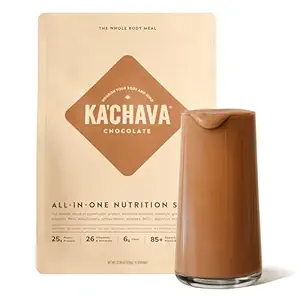
Ka’Chava is one of the best meal replacement shakes for weight loss. It is marketed as a premium plant-based meal replacement powder featuring whole-food ingredients. It offers protein, carbohydrates, fat, and micronutrients, all from plants.
Main ingredients and associated benefits:
- Pea, rice, and chia proteins. Plant proteins (pea, rice, chia) help in muscle maintenance and hunger satisfaction
- Adaptogens and superfoods: Support stress response and energy regulation
- Fiber blends: Enhance digestion and satiety
- Good fats: Promote hormonal health and lasting energy.
Ka’Chava is good for those who care about ingredient variety and taste but don’t want artificial substances. It is popular among women and men who are looking for well-rounded nutrition and not necessarily a weight loss.
Best meal replacement shakes for weight loss: Glucerna Hunger Smart

This is mostly for blood sugar control; however, it is suitable for people with insulin sensitivity issues.
Main ingredients and their function:
- Slow-digesting carbohydrates: Stabilize glucose levels
- Moderate in protein: Keeps you full without too many calories
- Low glycemic sweeteners: Help reduce the blood sugar spikes
- Critical vitamins and minerals: Enhance metabolic health
This meal replacement shake is recommended in medical nutrition plans and makes sense for individuals who value metabolic control over pasting complexity.
Premier Protein (30g Protein)
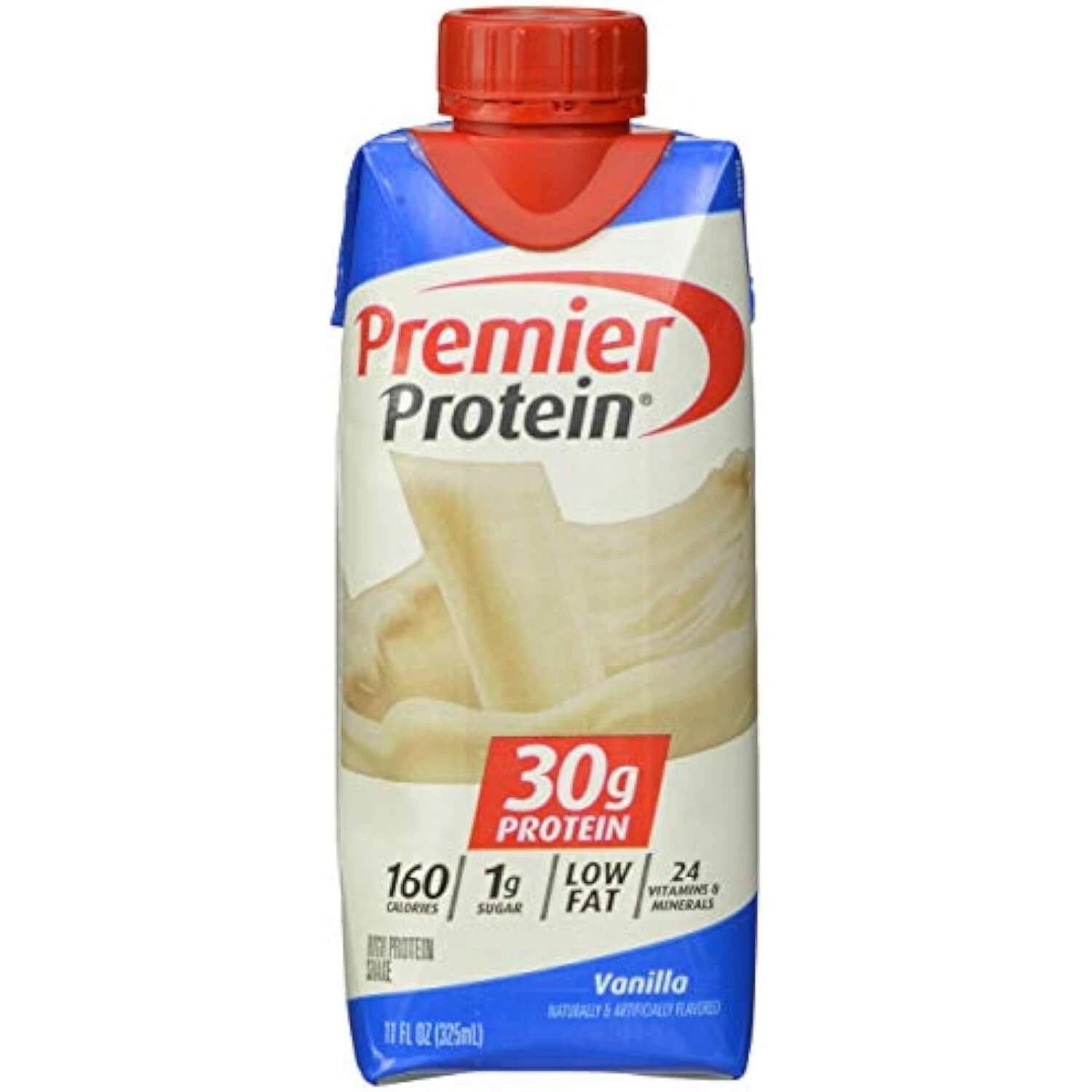
With 30g of protein per serving, Premier Protein is one of the highest protein meal replacement shakes you can buy already in a bottle.
Principal ingredients and functions:
- Milk-Based Protein Blend: Helps Maintain Muscle and Control Appetite
- Low sugar recipe: Good for weight loss
- Fortified with Vitamins & Minerals: Meets daily nutritional requirements
- Creamy consistency and simple flavor: Tried and tested by our little tasters!
Premier Protein is preferred by men and those with an active lifestyle; it is just as good for women who need a protein-based option for weight loss.
Garden of Life Raw Organic

The Garden of Life Raw Organic meal replacement is made with raw, organic, minimally processed ingredients.
Key ingredients and functions:
- Sprouted plant proteins: Easier digestion
- Organic greens & vegetables: Fresh phytonutrients
- Probiotics and Enzymes: Enhance Digestive Wellness
- No synthetic additives: Attracts clean-label eaters
SlimFast Advanced Nutrition
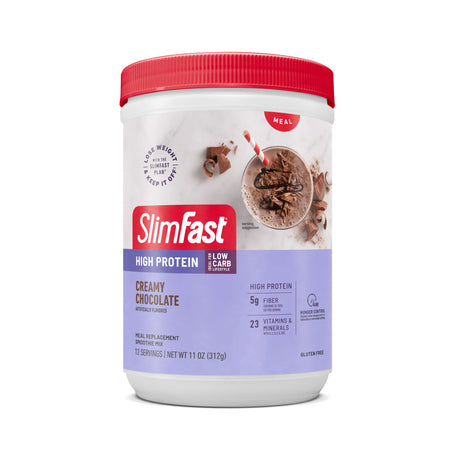
Among the best meal replacement shakes for weight loss is the SlimFast Advanced Nutrition. It is a popular meal replacement shakes structured weight loss plans. This shake is perfect for women who want to burn some fat.
Main ingredients and benefits:
- Balanced macronutrient profile—Supports calorie control
- Fiber complex, which helps hunger subside
- Added micronutrients: Helps fill nutrient gaps during calorie deprivation
- Established flavor and Consistency: Promotes compliance
Meal Replacement Shake for Weight Loss: How to Choose
When it comes to meal replacement shakes for weight loss, the best options are not so much which brand, but rather how you use them; that determines your success.
Best practices include:
- Replace one meal a day.
- Focus on protein and fiber.
- Drink plenty of water.
- Eat Them with Other Foods for Your Meals too!
Consistency and reality are more important than perfection.
Meal Replacement Shakes for Women and Men
For Women:
Women may find it helpful to use meal replacement shakes for:
- Hormonal balance
- intake of calcium and iron
- Appetite control without crazed calorie cutting
Plant-based and high-fiber varieties are usually well tolerated.
For Men
Men have thousands of options for protein shakes, but these are their top priorities:
- More protein
- Maintaining muscle mass
- Support energy
Premier Protein is a top choice high-protein brand.
Taste, Texture, Powder vs Ready-to-Drink
Taste is important. The most nutritious meal replacement shake in the world is useless if it tastes bad.
- Powder: Versatile, affordable, and convenient
- Ready-to-drink: Handy, uniform
Sweetener level, texture, and flavor range also affect how often people use meal replacement shakes
Meal Replacement Shakes in Africa, the UK, and the World
Meal replacement shake options are shaped by access, cost, and cultural food norms across the world.
In Africa, price and durability are major concerns.
- In the UK, clean labels and meeting regulations are important
- Globally, convenience and trusted nutrition are the key drivers of adoption.
The basic principles of nutrition are the same in all regions.
Dairy vs. Plant-Based Milkshakes for Weight Loss
Your choice between dairy-based and plant-based milkshakes depends on metabolic response, dietary preference, and availability in your area.
Dairy-based milkshakes
- Naturally has a higher amount of protein
- Slower digestion, in particular with casein
- Strong appetite suppression
- Popular in the UK and internationally
Plant-based milk shakes
- Lower in natural proteins, unless fortified
- Lactose-intolerant individuals will enjoy easier intake of these products.
- Prevalent in regions of Africa where access to dairy is not always possible
- Sometimes blended with pea or soy protein powders
Dairy-based milkshakes are better for weight loss than plant-based shakes unless the plant-based shake is intentionally designed to provide comparable protein and fiber amounts.
Also read: Is Low-Fat Dieting Still Relevant? Exploring Modern Nutritional Advice
Protein Levels of the Best Milk Shakes for Weight Loss
Protein continues to be the most essential factor in the best milkshakes to help you lose weight. High-protein milkshakes promote lean muscle retention while losing fat, especially when you’re eating at a calorie deficit.
“Good” weight loss shakes generally include:
- 20-30 g of protein per serving
- A combination of fast- and slow-digesting proteins
- Little added sugar
That’s why products such as Premier Protein (30g protein) often make the best-of lists. Protein promotes thermogenesis and dampens appetite-related hormones.
Sweeteners and Sugar Contribution to Weight Loss Results
Control of sugar is one of the largest contrasts between the average milkshake and the best milkshakes for weight loss. A lot of classic milkshakes contain so much sugar, undermining the fat loss effect by triggering insulin and making you hungrier not long after eating.
Weight-Loss Friendly Milkshakes:
- Keep added sugars below 5 grams per serving.
- Employ low-glycemic sweeteners when deemed fit
- Get satiety from protein and fat versus sugar as sweetness.
Glucerna Hunger Smart is an example of a milk-based shake created to have minimal impact on blood sugar levels, so it can be used for weight control.
How Milk Shakes Can Help with Weight Loss
Effectiveness depends on timing. Top milkshakes for weight loss are far more effective when consumed instead of high-calorie meals than as a supplement.
Typical applications include:
- Replacement for breakfast to avoid snacking before lunch
- Meal replacement for lunch for control of portions
- Post-workout meal replacement after strength training
Substituting one meal per day with a ready-to-drink meal shake helps in calorie control without causing nutrient deficiencies.
Women’s Best Milk Shakes for Weight Loss
Women’s appetites and hormonal responses to calorie restriction are sometimes unique. Best Milk Shakes For Weight Loss For Women usually mean:
- Moderate calories
- High protein
- Threaded with Fiber for Fullness
- Micronutrients such as calcium or iron
Milk-based meal replacement shakes that contain balanced macros help prevent energy dips and cravings, especially on busy days at work.
Read also: 7 Day Meal Plan for Workout and Fat Loss: Busy Schedule Edition
Best Shakes for Men to Lose Weight
The best way to lose weight is not just eating less for men. The goal is to keep muscle tissue intact while shedding fat, knowing that muscle loss can affect strength, metabolic rate, and long-term results. This is where high-protein milkshakes come in handy.
If formulated correctly, they regulate the appetite, preserve lean muscle, and streamline everyday nutrition while allowing you to perform at your best or beyond.
The following are the best milkshakes for men that can help in weight loss. Take into consideration the quality of protein, calorie balance, and ingredients.
Best Milk Shakes for Weight Loss for Men
Men generally have shakes designed around:
- Higher protein (to preserve larger muscle mass)
- More calories to support activity, slightly higher (for supporting activity)
- More Effective Appetite Suppressants
- Flavor & Texture That Suit Robust Taste Preferences.
IsoLean Lean Shake
Why it’s great for men:
More protein, a higher protein formula with a smooth taste, and fat appetite control (ideal for men on the go).
Key benefits
- 40g+ protein per serving (varies by flavor)
- Low carb
- Rich micronutrient blend
How it works for weight loss: Promotes lean muscle preservation and recovery with fewer calories.
EAS Myoplex Original Shake
Designed for serious strength athletes and men who lift, this shake packs a ton of protein and calories, even for dieters, if you know how to use it.
Key benefits:
- High protein
- Balanced macronutrients
- Tastes more like a “meal.
MuscleTech NitroTech Whey Gold Shake
Whey-heavy blend contains a good amount of fast and slow-digesting proteins — great for guys who work out a lot.
Key benefits
- Superior amino acid profile
- Great for muscle synthesis
- Liked the taste by many men
Conclusion
Not sure which milkshake is best for losing weight?
The healthiest shake to replace a meal with is one that works for your body, and what you want to achieve. No matter if you’re trying to lose weight, improve your metabolism, or just eat healthier every day, these milk shakes are equal to the task.
Whether you’re shopping in the UK, Africa, or anywhere else, you should pick a shake that makes you feel full, helps burn fat, and easy to include in your day.



A budget-friendly meal plan for workouts focuses on smart food choices instead of junks. You need foods that build strength, help you recover faster after a workout but that shouldn’t cost a lot of money. What we eat affects how our body reacts after exercise, and there are great meal ideas under $50 per week, you can get.
This is realistic. The key is to choose food, like chicken or beans that have protein, bread or rice that have carbohydrates, and nuts or seeds that have fats, and fruits or vegetables that have vitamins and minerals, and these foods do not have to be expensive. The food plan I am talking about will not cost you more than fifty dollars per week, and it is good for people who work out regularly.
Eating well on a budget is not about cutting meals. For example, Eggs, beans, and rice are less-expensive, still they provide the body with lots of nutrition.
This guide shows exactly what to buy, and how to use it through the week. The aim is to help you eat well, stay consistent, and support your workout routine while spending less.
What This Meal Plan Covers
This budget-friendly meal plan for a workout covers:
- Protein for muscle repair
- Carbohydrates for daily activity
- Healthy fats for body function
- Fiber for digestion
- Vitamins and minerals for overall health.
Budget-Friendly Meal Plan for Workout (Under $50)
Prices vary by location, but these are average cost.
- Rice (5 lb): $5
- Dry beans or lentils: $4
- Eggs (2 dozen): $6
- Chicken thighs or whole chicken: $8
- Canned tuna (4 cans): $4
- Oats: $3
- Potatoes: $4
- Frozen vegetables: $5
- Fresh vegetables: $6
- Peanut butter: $3
- Cooking oil and spices: $2
- Estimated total: $48–$50
These foods form the base of the weekly plan.
Protein
Protein repairs work-out tissues. Athletes need protein after exercise. It keeps the muscles strong and healthy. Examples:
Eggs
Eggs are affordable and you can use them in different ways.
Eggs have protein that’s good for you.
They also have vitamins like B12 and D in them.
Beans and Lentils
They have a lot of plant protein and fiber. This means beans and lentils can help your body digest food properly and give you energy levels.
Beans and lentils are also great because they help you feel full for a time. This is because of the fiber in beans and lentils. So eating beans and lentils is perfect if you want to feel full and have lots of energy.
Canned Tuna
You can store it for a long time. The thing about tuna is that it has protein and omega-3 fats. Tuna is good for your muscles. It is good for your joints, too. Tuna supports the health of your muscles and the health of your joints.
Carbohydrate and Their Role
When we exercise, carbohydrates provide us with the energy we need to keep going. After exercising, carbs help us recover faster. Good sources are:
- Rice
- Oats
- Potatoes
- Bananas.
Fats
They help us in many ways. Healthy fats are good for our hearts. They help keep our cholesterol levels in check. This means we are less likely to have heart problems. We can find healthy fats in nuts, avocados, and olive oil.
Healthy fats are important for the body. Examples are:
- Flaxseeds
- Walnuts
- Pumpkin
- Peanut Butter.
Vegetables and Micronutrients
They have lots of vitamins and minerals. Vegetables keep you from getting sick. Example:
- Broccoli
- Carrot
- Sweet potatoes
- Cabbage
- Tomatoes
- Beets.
Daily Meal Structure
- Breakfast
- Lunch
- Snack
- Dinner
Sample Day 1 Meal Plan

Breakfast
- Oats cooked with water
- Boiled eggs
Covers:
- Protein for muscle repair
- Carbohydrates for morning activity
- Fiber for digestion.
Lunch
- Rice
- Beans
- Steamed vegetables.
Covers:
- Plant protein
- Slow-digesting carbohydrates
- Vitamins and minerals.
Snack
- Peanut butter on toast
- Banana
Covers:
- Healthy fats
- Quick carbohydrates
- Potassium.
Dinner
- Baked chicken
- Potatoes
- Sautéed vegetables.
Covers:
- Lean protein
- Carbohydrates
- Micronutrients.
Sample Day 2 Meal Plan
Breakfast
- Scrambled eggs
- Boiled potatoes
- Lunch
- Rice
- Tuna mixed with vegetables
- Snack
- Oats with peanut butter
Dinner
- Lentil stew
- Rice.
Sample Day 3 Meal Plan
Breakfast
- Oats
- One boiled egg
Lunch
- Chicken stew and rice
- Vegetables
Snack
- Banana
- Peanut butter
Dinner
- Beans
- Potatoes
- Vegetables/Fruits
When you eat, you can work out harder and longer. This meal plan has protein, for building muscles; Carbohydrates, which give you energy to keep going.
The meal plan is made to help people who work out a lot. It has the amount of calories and nutrients to support your workouts. This meal plan supports workouts, gives you the energy you need to work out and the nutrients you need to recover.
This budget-friendly meal plan for workout supports:
- Muscle repair through steady protein intake.
- Workout consistency through balanced meals.
- Recovery through vitamins and minerals.
- Body weight management through portion control.
How to Prep Meals on a Budget
Preparing meals ahead can cut cost. In addition, it saves a lot of time. When you do meal prep, you can buy food in bulk. That is one way meal prep saves money. Meal prep helps you to plan your meals for the week. So, you do not have to think about what to eat every day.
Here is how you can plan under $50 Budget:
- Cook in bulk
- Boil eggs for several days
- Cook beans and lentils in large pots
- Roast chicken once and divide portions..
- Store meals in airtight containers.
Read also: Meal Prep 101: How To Plan And Prepare A Nutritious Meal
Shopping Tips
- Buy store brands
- Shop weekly sales
- Avoid single-serve packs
Adjusting the Plan for Your Needs
You do not have to change the food you eat. You can just adjust the portions of the food. This way, the Food remains the same, only the portions of the food are different. However,
- If you do hard exercise, eat carbs such as rice or potatoes to give you energy. So increase the amount of rice or potatoes you eat.
- If you get hungry, add more.
- Reduce portions on rest days
What changes is the amount of food we have.
Mistakes to Avoid
- Skipping meals
- Relying on snacks instead of meals
- Ignoring vegetables
Is This Meal Plan Sustainable?
Yes, they are. The food options are very flexible and easy
A sustainable plan is what really works; it is better than short-term diets because it helps you make choices that you can stick to. A sustainable plan is the way to go; it beats short-term diets every time. When you are trying to save money, whole foods are the way to go. They are good for you. They do not cost a lot of money.
Read also: Morning Workout Plan vs. Evening Workout Plan
Conclusion
A budget-friendly meal plan for workouts under $ 50 shows that eating good food does not have to be costly or difficult. You can use food and easy cooking methods to support your workout routine and your overall health.
When food choices are simple and affordable, it is easier to stay committed to a workout plan. Trust me, these food plans are realistic. You can stat this and see how it goes. Was this guide helpful? Show your support. Like this article, leave a comment with your thoughts, or share it on your social media.
-
 Health Tips2 years ago
What Tea Is Good For Kidney Cleanse?
-
 Fitness Tips2 years ago
Will Metoprolol Help With Heart Palpitations?
-
 Nutrition & Diet2 years ago
Which Nuts Are Good For Kidneys?
-
 Health Tips2 years ago
Can Allergies Cause Heart Palpitations? Understanding the Connection
-
 Uncategorized1 year ago
Vivant Skincare Benefits and Effective Usage Guide
-
 Fitness Tips1 year ago
Caffeine-Free Fat Burners: The Best Supplements for Fat Loss
-

 Fitness Tips8 months ago
Best Fitness Trackers Without a Monthly Subscription
-
 Health Tips2 years ago
Tylenol vs. Ibuprofen: Which is Better for Heart Disease?