
Health Tips
Relation Between Fats and Brain Health: How Good Fats Can Help the Brain


When it comes to eating healthy, we often hear that fats are something to avoid. But not all fats are created equal, and, in fact, some fats are essential for our health—especially for our brains. In this article, we’ll explore the relation between fats and brain health. Let’s dive in to find out why some fats are actually a must-have for a sharp, healthy mind.
The Brain’s Fat Composition
Did you know that your brain is nearly 60% fat? That might come as a surprise, especially if you’ve grown up hearing that fat is the enemy. However, the brain relies on fat for its structure and function, making healthy fats a critical part of our diet.
Fats are integral to the structure of brain cells, known as neurons, and play a role in how these cells communicate with each other.
Without adequate fat, our brains can struggle to maintain efficient function, leading to problems with memory, focus, and even mood. So, while unhealthy fats can harm our bodies, good fats are actually essential for keeping our brains running smoothly.
Relation Between Fats and Brain Health
Not all fats are beneficial. There are different types of dietary fats, and understanding which ones support our brain health is key to making the right choices.
- Saturated Fats: These are found in foods like butter, cheese, and red meat. While they’re not inherently “bad,” too much saturated fat can negatively affect heart and brain health.
- Trans Fats: These are the unhealthy fats you’ll find in many processed and fried foods. Trans fats are associated with inflammation and can harm brain function, leading to issues like memory problems over time.
- Unsaturated Fats: This group includes both monounsaturated and polyunsaturated fats, and these are the real heroes when it comes to brain health. Foods like fish, nuts, seeds, and olive oil are rich in unsaturated fats, which provide the nourishment your brain needs to thrive.
Omega-3 Fatty Acids: The Ultimate Brain Booster
Among the unsaturated fats, omega-3 fatty acids are the ultimate brain boosters. These essential fats are called “essential” because our bodies cannot produce them on their own—we need to get them from our diet.
Two key types of omega-3s, DHA (Docosahexaenoic Acid) and EPA (Eicosapentaenoic Acid), are particularly crucial for brain health. DHA is a fundamental component of brain cell membranes, helping neurons function properly. EPA, meanwhile, has been linked to reducing inflammation and supporting overall brain health.
Omega-3s are also known to play a big role in mood regulation and cognitive abilities like memory and focus. Numerous studies have found that people who eat a diet rich in omega-3s often have better cognitive function and a lower risk of age-related cognitive decline.
Foods like fatty fish (salmon, mackerel, sardines), flaxseeds, chia seeds, and walnuts are excellent sources of omega-3s. Including these foods in your diet can give your brain the support it needs to stay sharp.
Omega-6 Fatty Acids and Brain Health
Omega-6 fatty acids are another type of polyunsaturated fat that’s essential for the body. However, balance is everything. Omega-6 fats are found in many vegetable oils, nuts, and seeds, and while they provide energy and support various bodily functions, having too much can be problematic.
In our modern diets, it’s easy to consume far more omega-6s than omega-3s. This imbalance can lead to increased inflammation, which has negative consequences for the brain. Maintaining a healthy ratio of omega-3 to omega-6—typically around 1:4—is key to supporting cognitive health and reducing the risk of issues like chronic inflammation.
Monounsaturated Fats and Their Cognitive Benefits
Another group of fats worth incorporating into your diet is monounsaturated fats. These fats are found in foods like avocados, olives, nuts, and seeds. Monounsaturated fats have been linked to numerous health benefits, including improved heart health and, importantly, better brain function.
Research suggests that monounsaturated fats help protect brain cells from damage, promote healthy blood flow to the brain, and may help reduce the risk of cognitive decline as we age. Incorporating foods rich in monounsaturated fats into your diet is an easy and delicious way to help support a healthy mind.
Foods Rich in Brain-Boosting Fats
Let’s talk about some foods that are packed with these incredible brain-boosting fats and how to incorporate them into your daily meals:
- Fatty Fish: Salmon, mackerel, sardines, and trout are excellent sources of omega-3 fatty acids, particularly DHA and EPA. Aim to eat fatty fish at least twice a week to keep those omega-3 levels up.
- Flaxseeds and Chia Seeds: These tiny seeds are powerhouses of omega-3s. You can sprinkle them on your cereal, mix them into smoothies, or use them in baking for an extra dose of healthy fats.
- Walnuts: Walnuts are another fantastic source of omega-3s. Snack on a handful or add them to salads and baked goods for a brain-healthy boost.
- Avocados: Rich in monounsaturated fats, avocados can be enjoyed in a variety of ways—on toast, in salads, or even in smoothies for a creamy texture.
- Olive Oil: A staple of the Mediterranean diet, extra virgin olive oil is a fantastic source of monounsaturated fats. Use it in salad dressings, drizzle it over cooked veggies, or dip bread into it for a simple and satisfying way to add healthy fat to your meals.
How Healthy Fats Improve Cognitive Function
Healthy fats are essential for more than just maintaining the structure of brain cells—they also influence cognitive function in significant ways. Omega-3 fatty acids, for instance, are crucial for maintaining cell membrane fluidity, which helps in efficient communication between brain cells. This translates into improved memory, learning capabilities, and focus.
Moreover, studies have linked diets high in omega-3s and other healthy fats to better performance on cognitive tests. One study even found that people who regularly consumed fish had more gray matter in the brain—the part associated with processing information and memories—than those who didn’t.
Healthy Fats and Mental Health
Healthy fats don’t just keep your brain sharp—they also play a significant role in your emotional well-being. Omega-3 fatty acids have been linked to mood regulation and have shown promise in helping to manage conditions like depression and anxiety.
A deficiency in omega-3s may contribute to mood disorders, as these fats help regulate neurotransmitters like serotonin, which plays a role in mood stabilization. Incorporating more omega-3-rich foods into your diet may help you manage stress better and keep anxiety at bay, providing a natural way to support mental health.
Fats and Age-Related Cognitive Decline
One of the biggest concerns many of us have as we age is maintaining our mental sharpness. The good news? Healthy fats can help here too. Omega-3 fatty acids are thought to protect against age-related cognitive decline and may even reduce the risk of developing Alzheimer’s disease.
The neuroprotective properties of omega-3s support brain plasticity—the brain’s ability to form new neural connections—which is vital for learning and memory.
In older adults, a diet rich in omega-3s has been linked to better memory and a lower risk of cognitive impairment. So, eating those healthy fats is not just an investment in your current well-being but also in your future mental health.
Myths About Fats and Brain Health

There’s a lot of confusion out there about fats, and it’s important to set the record straight. One common myth is that all fats are bad for your brain. While it’s true that trans fats and excessive saturated fats can have harmful effects, healthy fats are not only good but essential for your brain’s health.
Another misconception is that a low-fat diet is the best approach for overall health, including cognitive function. The reality is that low-fat diets can deprive your brain of the essential fats it needs, which can lead to problems with focus, memory, and even mood. It’s all about balance and making sure you’re getting the right kinds of fats.
How Much Fat Do You Need?
You might be wondering, “How much fat do I actually need?” Experts recommend eating at least two servings of fatty fish per week to meet your omega-3 needs. For those who don’t eat fish, plant-based sources like flaxseeds, chia seeds, and walnuts are good alternatives.
In general, fats should make up about 20-35% of your daily caloric intake, with an emphasis on omega-3s, omega-6s (in moderation), and monounsaturated fats. By focusing on the quality of the fats you eat rather than just the quantity, you can help support both your brain and body.
Tips for Incorporating Brain-Boosting Fats into Your Diet
Incorporating healthy fats into your diet doesn’t have to be complicated. Here are some simple ways to make it happen:
- Add Seeds to Smoothies: Flaxseeds and chia seeds blend well into smoothies and can boost your omega-3 intake effortlessly.
- Choose Fatty Fish: Make salmon or mackerel a part of your dinner rotation. Grill, bake, or pan-sear for a quick and easy meal.
- Swap in Olive Oil: Use extra virgin olive oil instead of butter or margarine for cooking and dressings.
- Snack on Nuts: Keep a stash of walnuts, almonds, or mixed nuts handy for a convenient, brain-healthy snack.
Read also: How To Determine If A Heart Attack Is Work-Related
Conclusion
Healthy fats are the unsung heroes of brain health, providing the nourishment our minds need to function at their best. From supporting cognitive function and memory to improving mood and reducing the risk of age-related cognitive decline, good fats are a key part of a well-balanced diet.
The next time you’re planning your meals, remember that not all fats are bad. Embrace those omega-3s, monounsaturated fats, and even a healthy balance of omega-6s to give your brain the fuel it needs. By making mindful choices, you’re not only taking care of your body but also investing in a sharper, healthier mind—today and for years to come.




Public vs. Private Insurance
Health Insurance Plans in the US
Employer-Sponsored Health Plans
COBRA Continuation Coverage
- You are eligible if you or a family member previously had coverage under the job-based plan and then lost coverage.
- Election Period: Once notified, you have 60 days to elect COBRA.
- Length: Normal COBRA coverage is 18 months following the loss of employment (36 months for certain other occurrences, such as divorce or death of an employee).
- Cost: You pay the entire premium (what your employer was paying), as much as 2% for the administration. This can be quite costly (e.g., $500–$700/month or higher).
- Pros: Same exact network and benefits, so no new waiting periods or underwriting. Useful when you require ongoing treatment and have not purchased new coverage.
- Cons: Extremely high cost (no employer subsidy), and it is limited in duration. You have to pay every bill on time to retain coverage.
- When COBRA expires, you have to get new insurance (Medicaid, marketplace, job plan, etc.).
Individual Market (ACA Marketplace)
- Open Enrollment: Annually in fall (generally Nov–Jan) 15, 2026, for 2026 coverage. For life events, you need to qualify (birth, marriage, losing your job, etc.).
- Subsidies: You’re eligible for premium tax credits that reduce your monthly cost if your income is between 100%–400% of the Federal Poverty Level. (That’s approximately $28k-112k for a family of four in 2025.) Thanks to subsidies, many people pay a fraction of the list price of a plan.
Plan Types:
What affects cost?
Medicaid
- It varies according to state policy and income. For example, children in some states are insured at higher FPL (around 200% or more).
- Non-disabled adults are eligible in expansion states up to 138% FPL (approximately $20k for an individual in 2025).
- Disabled and pregnant can be higher.
- Cost: For most enrollees, the premium is $0. But there may be tiny copayments for some services. The cost-sharing isn’t very high.
- Pros: extremely low cost or free for participants, a broad service, and coverage is guaranteed if you’re eligible.
- Preventive services normally come with no cost.
- Cons: Not all doctors take Medicaid (some have very low reimbursement rates). Benefits and policies differ by state (e.g., vision/dental for adults may be restricted). If your income goes over the limit, you have to get other coverage.
Medicare
Medicare Supplemental Insurance (Medigap)
Other Supplemental Plans
Plan Types: HMO, PPO, EPO, HDHP

HMO (Health Maintenance Organization)
EPO (Exclusive Provider Organization)
PPO (Preferred Provider Organization)
HDHP (High-Deductible Health Plan)
Supplemental Insurance
Dental and Vision coverages
Other Supplemental Policies
Choosing a Health insurance plans in the US
- Premiums: How much you pay each month.
Deductibles: The amount you pay before the insurance starts covering.
Out-of-Pocket Maximums: The most you’ll pay in a year.
Provider Networks: The doctors and hospitals in your coverage.
Prescription Drug Coverage. - Subsidies and Eligibility: Especially for ACA Marketplace plans.
Final Thoughts




Health Tips
How to Sign Up for US Health Insurance: Online Enrollment, State Options, and Everything You Need to Know

Every first-time attempt always looks intimidating, especially when it involves an application. To enroll in a health insurance program in the United States, you must complete the application steps. That’s why we are here. We will guide you on how to sign up for US health insurance. Read further
Most times, many applications for health insurance don’t go through. The process is clear; however, applicants struggle because the system involves Federal rules, State Marketplaces, Employers, Private Companies, and Government Programs.
In this guide, you will learn how to enroll in US health insurance online, where you can purchase coverage, and how state-based rules can affect your plan. If you live in Texas, New York, Illinois, or any other US state, this article will help you understand how the process works.
About US Health Insurance
The US Health Insurance system can cover medical costs, doctor visits, hospital stays, prescription drugs, preventive care, and emergency services. The idea is that you don’t pay the whole cost of your medical bills directly; however, you and your insurance provider share the cost via premiums, deductibles, co-pays, and coinsurance.
Unlike in many countries, the US does not have a single-payer national health insurance system. Coverage is available through private insurers, employers, state or federal marketplaces, and government plans such as Medicare and Medicaid.
Why You Should Sign Up for US Health Insurance

Health care in America is somewhat expensive. Nobody wishes to be hospitalized, but if it happens, the cost can be ”unbearable”. Even simple procedures cost a lot without insurance. However, your US health insurance plan will protect your finances, provide you with quality care, and help you stay healthy through preventative services/
Interestingly, many insurance companies provide coverage for mental health, maternity, chronic illness, and wellness plans as well.
When Can You Sign Up for US Health Insurance?
Open Enrollment
Most people sign up during open enrollment, which is usually from November to around the middle of January. This is when you can sign up for a new plan or switch to the one you already have.
Special Enrollment
You might be able to sign up outside of the normal period. When any of the following occurs:
- Losing a job-based coverage.
- Getting married or divorced
- Having a baby or adopting.
- Moving to a different state.
- Turning 26 and no longer on your parents’ plan.
Usually, you have about 60 days from the event to sign up.
How to Sign Up for Health Insurance Online

For most people, doing it online is the fastest. For newbies, here are the steps to take:
Step 1: Check your Eligibility
Before you start, see if you are eligible for:
- The Health Insurance Marketplace.
- Employer-sponsored plans.
- Medicaid or Medicare.
- A student or military plan.
Note: Your age, income, location and your job situation all count.
Step 2: Pick the Right Platform
You can sign up through:
HealthCare.gov (the federal marketplace)
- Your state’s health insurance exchange.
- A private insurance company’s website.
- Your Employer’s HR website.
Step 3: Create an Account
You’ll need to provide:
- Your full name
- Date of birth
- Social Security number (or immigration info)
- Your address
- Info about your income
Step 4: Compare Your Options
Pay attention to:
- How much will you pay each month (Premiums)
- Your deductible.
- Which doctors are in the plan’s network
- Prescription Coverage.
- Out-of-pocket limits.
Step 5: Apply
Once you pick a plan, complete the application and pay your first bill to activate the coverage. This is where majority get it wrong. There is a certain amount applicants must pay to have a successful application for a health insurance plan.
How and where to get US health Insurance
Federal Marketplace (HealthCare.gov)
HealthCare.gov is also used in many states in the United States. It enables residents to:
- Enroll online.
- Request subsidies.
- Shop for ACA-compliant plans.
Texas residents must use HealthCare.gov because there is no state-run exchange.
State-Based Health Insurance Marketplaces
Some states operate their own enrollment websites directly. For example:
New York – NY State of Health
NY State of Health: New York residents apply through NY State of Health. The platform allows:
- Online enrollment for individuals and families.
- Medicaid and Essential Plan applications
- Additional enrollment options are now available for eligible residents.
New York provides robust consumer protection and increased access to low-income residents.
Illinois – Get Covered Illinois
Illinois uses the Get Covered Illinois for enrolling residents. Individuals can:
- Compare health insurance plans.
- Access premium subsidies.
- Apply for Medicaid if eligible.
Take note: Illinois frequently announces extended enrollment openings. You should grab this opportunity, as there are many who apply late.
US Health Insurance Individual Enrollment
Individual enrollment is ideal for those who:
- Are self-employed
- Work on freelance or contract basis.
- Do not qualify for coverage through an employer.
- Have recently lost insurance.
With online enrollment, people can get an accurate estimate of costs and help prevent gaps in coverage.
Important things to consider are:
- Affordability of the premium
- Deductible amount
- Coverage of the network
- Prescription benefits
Student Health Insurance Sign-Up
Students can sign up in US health insurance from:
- College-sponsored health plans
- Parental coverage (up to 26 years of age)
- Sign up for the marketplace.
In New York and Illinois, most students are eligible for subsidies; so, an individual plan is affordable. Online enrollment is the fastest way for students.
Employment-Based Health Insurance Enrollment
Your employer probably offers insurance, and that policy covers many employee across the US. Enrollment works:
- When you start a new job.
- During the open enrollment period.
Usually, employees participate in online enrollment through their company’s portal. Among the features offered in company plans are:
- Medical Coverage.
- Additional dental and vision coverage.
- Health savings accounts.
- Wellness incentives.
If you didn’t take part in your employer’s open enrollment period, you can sign up for marketplace insurance to cover yourself during that time.
Options for Government Health Insurance Enrollment
Enroll in Medicare.
Medicare is provided to:
- Senior citizens 65 years or older.
- People with qualifying disabilities.
Enrolling takes place online through the Social Security Administration (SSA). The timing is vital because there are penalties for enrolling late.
Enrolling for Medicaid
It is for low-income families and individuals. The enrollment window stays open all year round. However, some states may have their own laws.
- Texas has more rigid income limits.
- Almost all states accept online Medicaid applications.
Types of US Health Insurance
Individual Health Insurance
If you’re self-employed, freelancer, or don’t have employer coverage, this looks the right choice for you. These plans are available through the marketplaces and private insurance companies and often come with income-based income.
Student Health Insurance
Many colleges /universities provide students plans that meet the government’s requirements. Students can also stay on their parents’ plan until they’re 26 or buy a marketplace plan if it’s cheaper.
Employee Health Insurance
This is the most common type of insurance in the US. Employers often pay part of the premium.
Government Programs
- Medicare: As mentioned, this is for people 65 and older and those with disabilities.
- Medicaid: This helps people with low incomes and families. Each state runs its own program.
- CHIP: This is for kids in families who earn too much to qualify for Medicaid but still need help.
Employment-Based Coverage
Job-based US health insurance often includes:
- Medical coverage.
- Dental and vision add-ons.
- Health savings accounts.
- Wellness incentives.
Consider COBRA or marketplace coverage to avoid gaps when you switch jobs.
Selecting the Right US Health Insurance Plan
1. Don’t Just Look at the Monthly Premium.
Low monthly payments often mean higher deductibles. Consider what you can afford and coverage you need.
2. Check the Network
Make sure your favorite doctors and hospitals accept the plan.
3. Take a Look at Prescription Coverage
The cost of prescriptions are not the same. Check if your medications are on the list of covered drugs.
4. Understand How Costs Are Shared
Know what you will pay for doctor visits, tests, and emergency care.
Mistakes people make when Signing Up
- Choosing a plan only because it is affordable. See how to get affordable insurance here.
- Not paying attention to deductibles and copays.
- Missing enrollment deadlines
- Providing wrong information about your income
- Ignoring which doctors are in the network plan.
Avoiding these mistakes can save you money and stress later on.
How Your Income Affects Health Insurance Cost
If you buy insurance through the Marketplace, you may get subsidies to lower your monthly payments. Also, if you have a lower income, you can qualify for Medicaid. And if you have a moderate income, you may get tax credits. But make sure that you present the correct income information.
What Documents Do You Need?
Have these ready:
- Your Social Security number.
- Proof of your income.
- Immigration documents (if you have them)
- Employment coverage details.
Can Non-Citizens Sign Up?
Yes, if you’re a legal immigrant, you may qualify for marketplace coverage and subsidies. On the other hand, illegal migrant can’t sign up for Federal programs; however, they might get limited help from the state or emergency Medicaid.
When Does Coverage Start?
Most plans start on the first day of the month after you sign up and pay for your plan. If you pay late, it delays the coverage activation.
How You Can Maximize Your US Health Insurance Benefits
Take advantage of free preventive services.
- Try to stay within your networks
- Understand your explanation of benefits statements.
- Review your plan yearly.
- Keep copies of your medical bills.
the point is to use your insurance wisely. It can lower your costs and help you get better care.
What’s Next After Signing Up?
After you sign up for the US health insurance plan, you have completed the steps, but make you you get an acknowledgment from the insurer.
Once your first payment goes through, the insurance company will process your policy. You’ll get:
- An email or letter confirming your coverage.
- Your insurance ID number.
- Access to an online portal.
Most insurers will send you a physical insurance card, while some companies may request you download a digital card upon completing the enrollment process.
How to Use Your Insurance After Enrollment
Several people sign up but don’t really know how to use their insurance. First, create an account on your insurer’s website or app. Through the portal, you can:
- Find doctors in your network.
- Make appointments.
- Track your claims.
- Review coverage details.
- Download important documents.
Before you see a doctor, make sure they accept your insurance plan. Staying in-network will save you money and prevent billing problems.
Renewing Your Insurance Every Year
Your insurance doesn’t automatically renew. Each year, plans, prices, and benefits can change. During open enrollment, you should:
- See if there are any changes to your plan.
- Check if the premiums have changed.
- Check your network.
- Update your income details.
Even if you like the plan you have, it’s a good idea to compare it to other options. Sometimes, your current plan may be more expensive. This is why most people review their insurance plan annually.
Changing Plans During the Year
Most insurance companies allow individuals to change their plan which can done in the middle of the year but only if the applicant have a special reason, like
- Losing or changing jobs
- Getting married or divorced
- Having a baby or adopting a child
- Moving to a new state
For example, if you move from Texas to New York or Illinois, that counts as a qualifying event and allow you sign up for a new plan in your new state.
US Health Insurance for Dependents
Families can sign up together under one plan or choose different plans for each person. When you sign up, you’ll list:
- Your spouse
- Your children
- Other eligible dependents.
Many plans offer benefits specifically for children, like checkups, dental care, and vaccines.
Why You Must Provide Accurate Information
If you provide incorrect information about your income, family size, or where you live, it can lead to:
- Delays in your coverage.
- Loss of subsidies.
- Repayment of tax credits.
- Policy Cancellation.
To be on a safe side: Always update your information if your situation changes during the year.
Final Thoughts
Ready to sign up for US health insurance online? Visit the Federal government website or private insurance company of your choice. Even if you reside in Texas, New York, Illinois, or any other state, you get individual coverage, student insurance or employment-based benefits. However, make sure you provide accurate information and stick to the enrollment period.
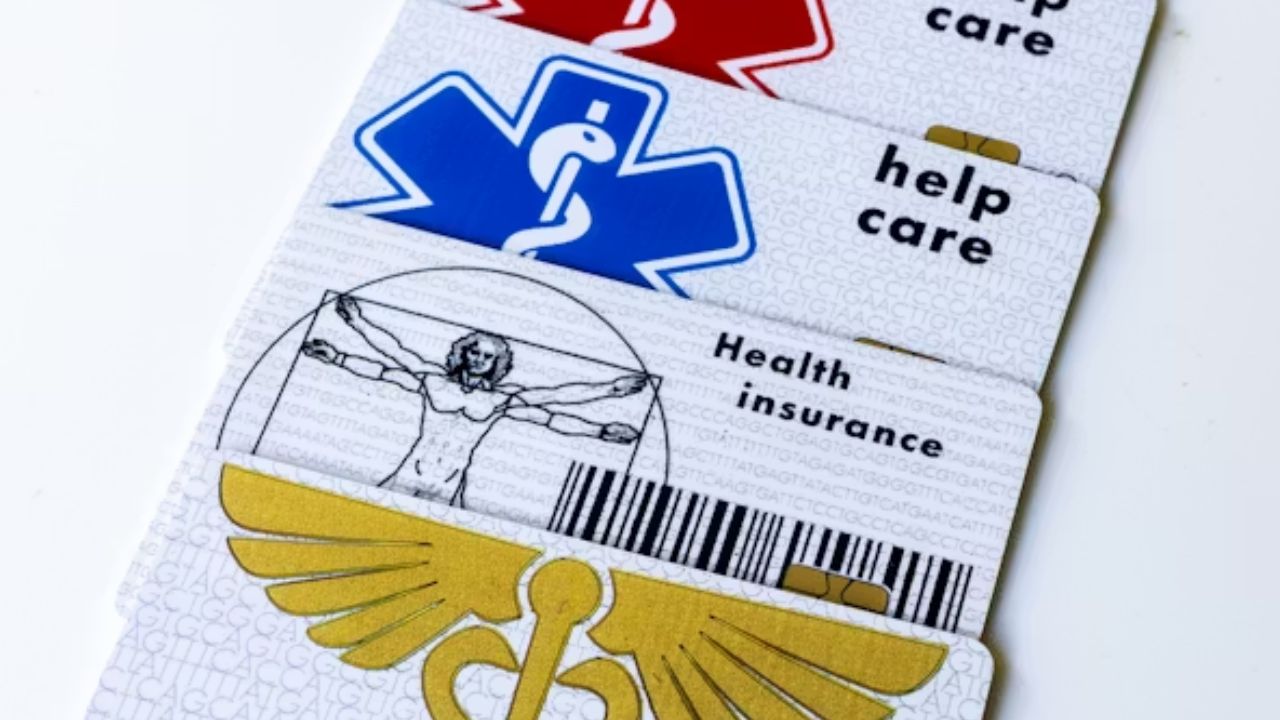
The cost of medical bills are increasing day by day, which is why many subscribe to health insurance plans. But some have cheaper premiums. The question is, how can I get affordable health insurance in the US?
Here is the truth: It is possible to get low-cost health insurance in the USA in 2026. But you must understand the system and pick something that works for you.
Why Is Health Insurance So Complicated?
It’s not just medical bills that make health insurance expensive here. Other things are added. These factors attract extra costs:
- Premiums
- Deductibles
- Copays
- Coinsurance
- Networks
Once you understand these meanings, it helps you make the right choice. Before we go further, let’s discuss what affordable health insurance is.
What Does Cheap Health Insurance Really Mean?
Let me make this straight!
Affordable never meant low-quality. Rather, it is:
A plan with cheap monthly premiums but large out-of-pocket expenses could do you more harm than good. In addition, spending a few dollars in a month more in premium perhaps will save you thousands on the other side.
So, affordable health insurance means:
- You can afford to pay the monthly premium
- The plan suits your health requirements.
- You know what you are paying for.
How the US Health Insurance System Works
In the US, you usually get health insurance in one of these ways:
- Through your job
- From the ACA Marketplace
- Medicaid
- A private plan
- Short-term insurance
Each one has different costs and eligibility criteria.
How Do I Get Affordable Health Insurance?

Start Here:
Step 1: Figure Out What You Need
Before you start shopping for the best deals, ask yourself these simple questions?
- Do I go to the doctor regularly?
- Have I been taking any prescribed drugs?
- Do I require coverage for my family?
- Am I under treatment for any health-related condition?
If you’re healthy, a less expensive plan with a higher deductible may be fine.
Step 2: Know the Types of Health Insurance
It Pays to Know your options so you don’t overpay.
Employer-Sponsored Health Insurance
It is one of the most cost effective options because:
- Employers pay a portion of the cost
- Group plans are less risky
If your work provides insurance, compare with other plans before you decide.
Marketplace Insurance (ACA Plans)
You can find these plans on the federal or state marketplace.
They are popular because:
- Income-based subsidies lower costs.
- Coverage is standard.
- Includes health benefits.
The marketplace is where to find the best cheap health insurance.
Medicaid
Medicaid is for people with low incomes and families.
If you qualify:
- It might be free or very affordable.
- It often covers a lot.
Your eligibility depends on your income and location.
Private Health Insurance
These are plans you buy straight from an insurance company.
They can be a good idea if:
- You don’t get help with other plans.
- You want more flexible coverage.
Note: private plans are not always cheap unless you shop around carefully.
Short-Term Health Insurance
These plans are cheaper but has lesser coverage.
They:
- Don’t cover things you already have.
- Don’t protect you as well.
- Not suitable for long-term plan.
How Your Income Affects Health Insurance Costs

Your income makes a big difference.
If you make a certain amount, you might get:
- Premium tax credits.
- Cost-sharing reductions.
These subsidies can reduce monthly payments and out-of-pocket costs.
Unfortunately, many people assume they don’t qualify.
How to Find Low-Cost Health Insurance That Works
Don’t Just Compare Prices
I always tell people: don’t just look at the premiums.
Check things like:
- Deductibles.
- Out-of-pocket maximums.
- Doctor networks.
- Prescription coverage.
Pick the Right Metal Level (ACA Plans)
Marketplace plans come in different levels such as:
- Bronze
- Silver
- Gold
- Platinum
Bronze plans have lower payments each month, but you pay more when you need care. Silver plans are often a good deal if you qualify for subsidies.
Consider High-Deductible Health Plans (HDHPs).
HDHPs have:
- Lower monthly payments.
- Higher deductibles
If you pair it with a Health Savings Account (HSA), it can save you a lot of money.
Why Health Savings Accounts (HSAs) Are Important.
People often skip HSAs. However, you:
- Save money without paying taxes.
- Pay for medical bills without penalties.
- Keep the money year after year.
If you’re thinking long-term, HSAs can make cheap health insurance even better.
Best Affordable Health Insurance Companies in the USA (2026)
Here are some well-known insurers that offer low-cost and reliable options, but it depends on where you live and the plan:
Blue Cross Blue Shield (BCBS)
- Big network across the country
- Several marketplace plans
- Popular for families and individuals.
UnitedHealthcare
- Large provider network.
- Has digital tools and wellness programs.
- Prices are good in many states.
Kaiser Permanente
- Integrated healthcare system.
- Affordable plans.
- Best in regions where they are present.
Aetna (CVS Health)
- Solid ACA and employer plans.
- Strong preventive care coverage.
- CVS pharmacy integration.
Cigna
- Good for prescription cover.
- Plans that use online doctors a lot.
- Good support if you have questions.
Molina Healthcare
- Known for cheap marketplaces and Medicaid plans
- Good for people on a budget.
Oscar Health
- User-friendly website and app.
- Prices are clear.
- Good for younger people.
Mistakes That Make Health Insurance Cost More
- Missing Deadlines
If you miss the sign-up period, you won’t have enough options to choose from.
- Doctor Network
If you see a doctor who is not in your network plan, it can cost you twice as much.
- Ignoring other Brands
Just because you know the name doesn’t mean it’s the best or cheapest.
- Not Reviewing Your Plans
Plans change! What worked last year might not be a good deal anymore.
How to Lower Health Insurance Costs Without Losing Coverage
Here are simple ways to save:
- Choose generic prescriptions.
- Use in-network providers.
- Take advantage of preventive care.
- Review claims and bills.
- Adjust your coverage as things change.
Cheap Health Insurance for Self-Employed People
If you’re unemployed, self-employed, or a freelancer, you can access:
- Marketplace plans
- Subsidies
- Medicaid (if eligible)
HSAs can give you more flexibility.
How to Choose the Best Cheap Health Insurance Plan
There’s no single best plan for everyone.
The best plan is one that:
- You can afford it.
- Covers what you need.
How Location Affects Affordable Health Insurance in the USA
In America, prices change from state to state and sometimes even within different parts of the same state. This is because medical costs, doctors in your network, and how much insurance companies charge differs.
For example, West Virginia, North Carolina, and South Dakota have the highest healthcare expenses in the United States. But if you’re in a rural area, you might not have as many choices, which can make it more expensive.
Also, whether your state expanded Medicaid affects how many cheap options there are. States that expanded Medicaid usually have more low-cost options.
If you’re looking for the best cheap health insurance always check the plans that are available specifically in your zip code.
Why Many Americans Overpay for Health Insurance
One reason is that they just stick with the same plan year after year without reviewing. You must know that Premiums, coverages and subsidies, change every year.
Another problem is that people pick plans based on the name they know instead of what the plan actually covers. Just because it’s a big name doesn’t mean it is the most affordable in your state.
Overpaying usually happens because people don’t compare options, not because there are no cheaper options.
Understanding Premiums, Deductibles, and Out-of-Pocket Costs
To find cheap health insurance, you have to understand how it works.
- A premium is what you pay each month to keep your insurance active.
- A deductible is how much you pay before your insurance starts covering things.
- Out-of-pocket maximum is the most you’ll have to pay in a year.
A plan with a low monthly payment but a high deductible might be ok if you don’t need a lot of care. But if you go to the doctor a lot, paying more each month might be worth it.
Cheap health insurance is about what it costs you in total, not just each month.
Affordable Health Insurance for People With Pre-Existing Conditions
In the US, if you get a plan through the ACA marketplace, they can’t turn you down because you have a pre-existing condition. This is one of the best things about marketplace insurance.
If you have diabetes, asthma, heart problems, or other illness, marketplace plans offer you the best deal on cost and coverage. Private or short-term plans may look cheaper, but they usually don’t cover those conditions.
For long-term protection, ACA plans are still one of the cheapest health insurance options for 2026.
How Preventive Care Lowers Long-Term Health Costs
Preventive care is one of the most overlooked benefits of health insurance. Most ACA plans cover things like checkups and screenings without you having to pay extra.
This includes:
- Yearly checkups
- Shots
- Screenings
- Wellness visits
How Telehealth Is Making Health Insurance More Affordable
Seeing a doctor online has become really popular in the US. A lot of insurance plans now let you do virtual visits.
Telehealth helps lower costs by:
- Cutting down on trips to the ER
- Saving you travel costs
- Letting you see a doctor faster
Insurers like UnitedHealthcare, Aetna, and Oscar have added more telehealth benefits, which makes them good, cheap options for younger people.
Affordable Health Insurance for Self-Employed Americans
People who work for themselves often think health insurance is too expensive without a job helping them out. That’s not always true.
Marketplace plans, combined with help from the government and tax breaks, can make it doable. You might also be able to deduct your health insurance payments from your taxes.
This group can often benefit from high-deductible plans and HSAs.
Affordable Health Insurance for Small Business Owners
If you own a small business, you have other options, like:
The Small Business Health Options Program (SHOP)
- Group plans through associations
- Marketplace plans for yourself
- Offering health insurance can also help you attract workers and get tax breaks.
How Family Size Impacts Health Insurance Costs
Health insurance costs more as your family gets bigger, but so does the amount of help you can get from the government. A lot of families qualify for more assistance than single people.
Family plans usually include:
- Care for kids.
- Emergency services.
- Coverage for having a baby.
For families with children, ACA plans are still one of the best cheap health insurance solutions.
Affordable Health Insurance for Young Adults and Students
Young people pick plans based on the cost. Even though, Bronze plans have the lowest payments, students and young workers should check the coverage.
A lot of young adults can benefit from:
- Plans that cover big emergencies.
- Plans that focus on telehealth.
Preventive care
Just because you don’t use it much doesn’t mean you don’t need protection.
How to Avoid Hidden Costs in Health Insurance Plans
Hidden costs can make a cheap plan expensive over time.
Watch out for:
- Plans where you can only see a few doctors
- High prescription costs
- Needing to see a specialist before your regular doctor
- Penalties for going outside the network.
Always read the Summary of Benefits and Coverage (SBC) before you sign up.
Why You Should Review Your Health Insurance Every Year.
Health insurance plans change every year. Providers update their networks, premiums shift, and new benefits may be added.
Reviewing your plan every year helps you:
- Find cheaper options.
- Adjust your coverage as your life changes.
- Don’t pay for things you don’t need.
The Role of Insurance Brokers
Insurance brokers can help you compare plans for free. They are useful if:
- You’re new to marketplace insurance.
- Your income changes a lot.
- You’re moving to a different state.
- They can help you make a good decision and avoid mistakes that cost you money.
How to Prepare Before Open Enrollment
Before you sign up:
- Calculate how much you will pay the subsequent year.
- Make a list of your doctors and medicines.
- Look at how much you used your insurance the previous year.
How Health Insurance Protects Your Financial Future
Cheap health insurance lowers:
- Medical debt.
- Damage to your credit.
- Financial stress.
This protection is one of the best reasons to stay insured, even when you’re healthy.
Read also:
FAQs
How do I get affordable health insurance in the USA?
Compare marketplace plans, check your subsidy eligibility, choose coverage that matches your health needs, and review the plans yearly.
What is the cheapest way to get health insurance?
Marketplace plans, subsidies, or Medicaid are usually the cheapest options.
Is low-cost health insurance worth it?
Yes, if it still covers what you need and protects you from big medical bills.
What is the best affordable health insurance in 2026?
For a lot of people, ACA Silver plans with subsidies or HDHPs with HSAs are the best.
Can I get affordable health insurance without employer coverage?
Yes, you can. Marketplace plans and government options are there for this reason.
Final Thoughts
Finding affordable health insurance in the USA isn’t about luck, you must search and compare quotes from different insurers.
However, before you choose a health insurance plan, get a broker or an insurance agent. For more information on that, send a mail through the channels below.
-
 Health Tips2 years ago
What Tea Is Good For Kidney Cleanse?
-
 Nutrition & Diet1 year ago
Which Nuts Are Good For Kidneys?
-
 Fitness Tips1 year ago
Will Metoprolol Help With Heart Palpitations?
-
 Exercise12 months ago
Jawline Exercises: How to Get a Sharper, More Defined Jawline Naturally
-
 Health Tips12 months ago
Tylenol vs. Ibuprofen: Which is Better for Heart Disease?
-
 Health Tips10 months ago
The Ultimate Guide To ICD-10 Coding For Prostate Cancer
-
 Fitness Tips9 months ago
Caffeine-Free Fat Burners: The Best Supplements for Fat Loss
-
 Uncategorized10 months ago
Vivant Skincare Benefits and Effective Usage Guide