
Health Tips
Does The Thymus Gland Sit Atop Each Kidney?

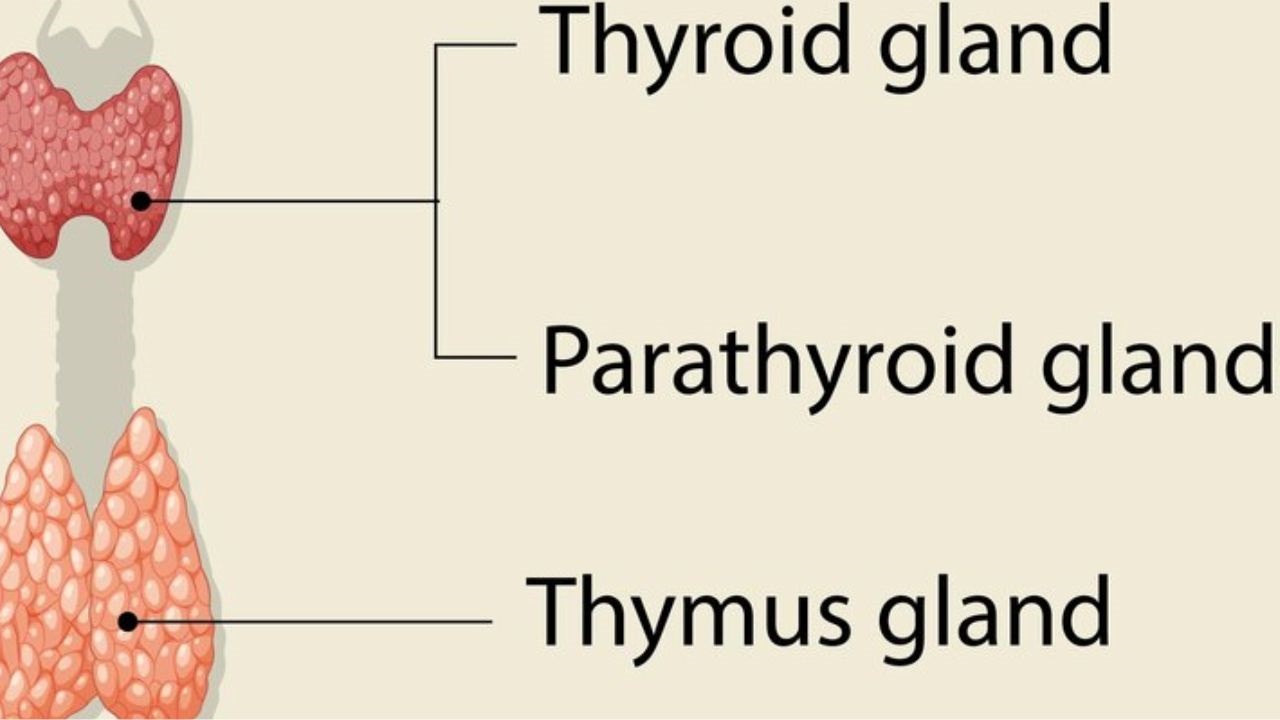
How much do you know about the thymus gland function in the body? Does the thymus gland sit atop each kidney? In this review, we will explain everything, including the location and function in the human body.
Well, you might be asking whether the thyroid gland and the thymus gland are the same thing. The thyroid and thymus glands perform different functions in the human body. The thyroid gland is an endocrine gland located in the neck. The thyroid glands regulate hormone synthesis that enables the body to carry out other functions.
On the other hand, the thymus gland is for the development of T cells. No doubt, they sound almost the same, and if not careful, you consider them the same. Another point is that their location in the human anatomy is different.
Thymus Gland Function
Although the thymus gland is a small organ, it plays an important role in the human body. This gland is present in the chest region, just directly above the heart. The thymus gland helps protect our body against diseases. The T-cells are managed by the thymus gland to fight infections and diseases.
A dysfunctional thymus gland can have an impact on the immune system. One of the interesting things about the thymus gland is its activity in children’s organisms. In the early years of childhood, the thymus gland is high. However, it reduces as one grows older.
When the thymus gland does not function well, the immunity system would be susceptible to various diseases. Thymus gland development of T-lymphocyte cells, are a type of white blood cell that supports the immune system in the body.
The thymus serves as a sort of “training ground” for T cells. They identify pathogens such as bacteria and viruses, and when they are able to detect any of these pathogens, they help get rid of them.
In addition, thymus gland contributes to the production of T cells. It makes sure that our immune system functions well. This is known as immune tolerance, and the thymus gland ensures that it handles the tolerance.
Besides being an important part of the immune system, the thymus gland also releases some hormones called thymic hormones or thymosins. These hormones contribute to the development and functions of the T cells and other immunological cells.
Thymosins also exhibit immunosuppressive effects and could be used to treat certain diseases, such as autoimmune diseases and allergies.
The thymus gland and the endocrine system

Due to the close interaction between the thymus gland and the endocrine system, it can be considered that the gland occupies an important place in the body since it is responsible for its proper functioning.
The thymus gland is a small organ located in the chest beneath the breastbone . It is a vital component of the immune system. T lymphocytes, or T cells, are a subset of white blood cells, and the thymus plays a role in their growth.
This connection with the endocrine system work together ensuring that the thymus gland releases hormones. The thymus gland secretes hormones such as thymosin. This hormone helps in the buildup of T lymphocytes, maintains a healthy immune system. Also, they help detect and fight off pathogens and other foreign bodies.
Apart from its immunological functions, the thymus gland is also associated with the endocrine system through the hypothalamus and pituitary gland. The hypothalamus controls the release of hormones from the pituitary gland, and in response, hormones from the thymus gland are produced.
The dynamics of the above organs show how coordination of all these key organs is crucial for the immune system to be effective in detecting any threats and maintaining a balance within the body.
In addition, the thymus gland is also linked to the adrenal glands, which are other essential components of the endocrine system. The thymus gland and the adrenal glands secrete hormones that assist in controlling stress and inflammation in the body.
The thymus gland’s cooperation with the adrenal glands is one of the key components that help the body to have a proper immune system and manage various challenges and threats.
The thymus gland and the kidney
The association between the thymus gland and the kidney is quite interesting. This is why many people think that these two organs are directly connected, but they are not. However, they are important to the body’s health and functioning.
The thymus gland is a small organ situated in the thorax, in mediastinum region, behind the sternum. It is important in the immune system and assist in the production of T lymphocytes or T cells for the body.
T-cells contributes to the performance of the immune system due to their ability to detect and eliminate pathogens, such as viruses and bacteria. Another function of the thymus gland is that it helps in the synthesis of antibodies and other elements of the immune system.
On the other hand, kidneys are important internal digestive organs that are essential in regulating the blood in the body. It helps filter waste products and other fluids in the blood, regulates blood pressure, and secretes hormones that regulate other activities in the body.
If the kidneys are not working correctly, then there will be many effects on the body, such as kidney disease, high blood pressure, and imbalanced electrolyte levels.
Now, what is the connection between the thymus gland and the kidneys? The structures do not have any direct physical contact, yet they are related through the body’s immune and endocrine systems. As one of the immune control points, the thymus gland can also influence the immune response in the kidneys.
Several scientific studies have suggested that the immune system influences the kidney’s ability and performance. For instance, lupus or glomerulonephritis may be autoimmune conditions that cause inflammation and kidney damage. However, in these cases, it becomes more relevant for the thymus gland to control the immune response.
In addition, other thymus gland derivatives like thymosin can affect the kidney as well. Thymosin possesses anti-inflammatory and immunomodulatory properties that help prevent renal dysfunction and deterioration.
Furthermore, the thymus gland and the kidneys are especially vulnerable to stress and hormone fluctuations. For instance, chronic stress can make the thymus gland cease to function optimally and thus lower the immune system of the body, allowing infections and other related illnesses to happen.
Likewise, endocrine disorders such as diabetes or thyroid diseases have an impact on the thymus gland and the kidneys. Also read: How To Sleep With A Kidney Stent
Does the thymus gland sit atop each kidney?
The thymus gland does not rest on the top of each kidney. Indeed, the Thymus gland is found in the upper chest; specifically, it lies right just behind the sternum.
This confusion might be because adrenal glands, which are not part of the immune system, are situated above each kidney. The adrenal glands secrete hormones like adrenaline and cortisol that control metabolic, immunological, and stress mechanisms.
What consequences may arise from the improper function of the thymus gland?
Let’s discuss the thymus gland and its effects when this important organ decides to rest a bit. The thymus gland is important in the human body as it helps in the development and maturation of T cells, the specialized cells that beat the invading bacteria and viruses.
However, there are times when the thymus gland is not very active, which causes all sorts of issues. To begin with, a compromised immune system can make one more prone to diseases, infections, and other illnesses. This is because, if you are fatigued, you may contract an illness more easily and take longer than usual to heal.
An underdeveloped thymus gland, for example, can also cause autoimmune diseases, a situation when the body develops an immune response against normally healthy tissues. This can lead to diseases such as lupus, rheumatoid arthritis, and type 1 diabetes, among other related diseases.
It is clear that when the thymus gland is healthy and fully operational, the immune system of the body is also boosted to optimal levels. If it decides to go on strike, then you could be left open to all forms of sickness. So, do whatever is necessary to keep that thymus gland healthy.
Although, both the thymus gland and adrenal glands are glands that are part of the human body, however, the answer to this question: does the thymus gland sit atop each kidney? is no. The thymus gland and thyroid gland are two different organs in the human body, and they are situated in different regions.





Public vs. Private Insurance
Health Insurance Plans in the US
Employer-Sponsored Health Plans
COBRA Continuation Coverage
- You are eligible if you or a family member previously had coverage under the job-based plan and then lost coverage.
- Election Period: Once notified, you have 60 days to elect COBRA.
- Length: Normal COBRA coverage is 18 months following the loss of employment (36 months for certain other occurrences, such as divorce or death of an employee).
- Cost: You pay the entire premium (what your employer was paying), as much as 2% for the administration. This can be quite costly (e.g., $500–$700/month or higher).
- Pros: Same exact network and benefits, so no new waiting periods or underwriting. Useful when you require ongoing treatment and have not purchased new coverage.
- Cons: Extremely high cost (no employer subsidy), and it is limited in duration. You have to pay every bill on time to retain coverage.
- When COBRA expires, you have to get new insurance (Medicaid, marketplace, job plan, etc.).
Individual Market (ACA Marketplace)
- Open Enrollment: Annually in fall (generally Nov–Jan) 15, 2026, for 2026 coverage. For life events, you need to qualify (birth, marriage, losing your job, etc.).
- Subsidies: You’re eligible for premium tax credits that reduce your monthly cost if your income is between 100%–400% of the Federal Poverty Level. (That’s approximately $28k-112k for a family of four in 2025.) Thanks to subsidies, many people pay a fraction of the list price of a plan.
Plan Types:
What affects cost?
Medicaid
- It varies according to state policy and income. For example, children in some states are insured at higher FPL (around 200% or more).
- Non-disabled adults are eligible in expansion states up to 138% FPL (approximately $20k for an individual in 2025).
- Disabled and pregnant can be higher.
- Cost: For most enrollees, the premium is $0. But there may be tiny copayments for some services. The cost-sharing isn’t very high.
- Pros: extremely low cost or free for participants, a broad service, and coverage is guaranteed if you’re eligible.
- Preventive services normally come with no cost.
- Cons: Not all doctors take Medicaid (some have very low reimbursement rates). Benefits and policies differ by state (e.g., vision/dental for adults may be restricted). If your income goes over the limit, you have to get other coverage.
Medicare
Medicare Supplemental Insurance (Medigap)
Other Supplemental Plans
Plan Types: HMO, PPO, EPO, HDHP

HMO (Health Maintenance Organization)
EPO (Exclusive Provider Organization)
PPO (Preferred Provider Organization)
HDHP (High-Deductible Health Plan)
Supplemental Insurance
Dental and Vision coverages
Other Supplemental Policies
Choosing a Health insurance plans in the US
- Premiums: How much you pay each month.
Deductibles: The amount you pay before the insurance starts covering.
Out-of-Pocket Maximums: The most you’ll pay in a year.
Provider Networks: The doctors and hospitals in your coverage.
Prescription Drug Coverage. - Subsidies and Eligibility: Especially for ACA Marketplace plans.
Final Thoughts



Health Tips
How to Sign Up for US Health Insurance: Online Enrollment, State Options, and Everything You Need to Know

Every first-time attempt always looks intimidating, especially when it involves an application. To enroll in a health insurance program in the United States, you must complete the application steps. That’s why we are here. We will guide you on how to sign up for US health insurance. Read further
Most times, many applications for health insurance don’t go through. The process is clear; however, applicants struggle because the system involves Federal rules, State Marketplaces, Employers, Private Companies, and Government Programs.
In this guide, you will learn how to enroll in US health insurance online, where you can purchase coverage, and how state-based rules can affect your plan. If you live in Texas, New York, Illinois, or any other US state, this article will help you understand how the process works.
About US Health Insurance
The US Health Insurance system can cover medical costs, doctor visits, hospital stays, prescription drugs, preventive care, and emergency services. The idea is that you don’t pay the whole cost of your medical bills directly; however, you and your insurance provider share the cost via premiums, deductibles, co-pays, and coinsurance.
Unlike in many countries, the US does not have a single-payer national health insurance system. Coverage is available through private insurers, employers, state or federal marketplaces, and government plans such as Medicare and Medicaid.
Why You Should Sign Up for US Health Insurance

Health care in America is somewhat expensive. Nobody wishes to be hospitalized, but if it happens, the cost can be ”unbearable”. Even simple procedures cost a lot without insurance. However, your US health insurance plan will protect your finances, provide you with quality care, and help you stay healthy through preventative services/
Interestingly, many insurance companies provide coverage for mental health, maternity, chronic illness, and wellness plans as well.
When Can You Sign Up for US Health Insurance?
Open Enrollment
Most people sign up during open enrollment, which is usually from November to around the middle of January. This is when you can sign up for a new plan or switch to the one you already have.
Special Enrollment
You might be able to sign up outside of the normal period. When any of the following occurs:
- Losing a job-based coverage.
- Getting married or divorced
- Having a baby or adopting.
- Moving to a different state.
- Turning 26 and no longer on your parents’ plan.
Usually, you have about 60 days from the event to sign up.
How to Sign Up for Health Insurance Online

For most people, doing it online is the fastest. For newbies, here are the steps to take:
Step 1: Check your Eligibility
Before you start, see if you are eligible for:
- The Health Insurance Marketplace.
- Employer-sponsored plans.
- Medicaid or Medicare.
- A student or military plan.
Note: Your age, income, location and your job situation all count.
Step 2: Pick the Right Platform
You can sign up through:
HealthCare.gov (the federal marketplace)
- Your state’s health insurance exchange.
- A private insurance company’s website.
- Your Employer’s HR website.
Step 3: Create an Account
You’ll need to provide:
- Your full name
- Date of birth
- Social Security number (or immigration info)
- Your address
- Info about your income
Step 4: Compare Your Options
Pay attention to:
- How much will you pay each month (Premiums)
- Your deductible.
- Which doctors are in the plan’s network
- Prescription Coverage.
- Out-of-pocket limits.
Step 5: Apply
Once you pick a plan, complete the application and pay your first bill to activate the coverage. This is where majority get it wrong. There is a certain amount applicants must pay to have a successful application for a health insurance plan.
How and where to get US health Insurance
Federal Marketplace (HealthCare.gov)
HealthCare.gov is also used in many states in the United States. It enables residents to:
- Enroll online.
- Request subsidies.
- Shop for ACA-compliant plans.
Texas residents must use HealthCare.gov because there is no state-run exchange.
State-Based Health Insurance Marketplaces
Some states operate their own enrollment websites directly. For example:
New York – NY State of Health
NY State of Health: New York residents apply through NY State of Health. The platform allows:
- Online enrollment for individuals and families.
- Medicaid and Essential Plan applications
- Additional enrollment options are now available for eligible residents.
New York provides robust consumer protection and increased access to low-income residents.
Illinois – Get Covered Illinois
Illinois uses the Get Covered Illinois for enrolling residents. Individuals can:
- Compare health insurance plans.
- Access premium subsidies.
- Apply for Medicaid if eligible.
Take note: Illinois frequently announces extended enrollment openings. You should grab this opportunity, as there are many who apply late.
US Health Insurance Individual Enrollment
Individual enrollment is ideal for those who:
- Are self-employed
- Work on freelance or contract basis.
- Do not qualify for coverage through an employer.
- Have recently lost insurance.
With online enrollment, people can get an accurate estimate of costs and help prevent gaps in coverage.
Important things to consider are:
- Affordability of the premium
- Deductible amount
- Coverage of the network
- Prescription benefits
Student Health Insurance Sign-Up
Students can sign up in US health insurance from:
- College-sponsored health plans
- Parental coverage (up to 26 years of age)
- Sign up for the marketplace.
In New York and Illinois, most students are eligible for subsidies; so, an individual plan is affordable. Online enrollment is the fastest way for students.
Employment-Based Health Insurance Enrollment
Your employer probably offers insurance, and that policy covers many employee across the US. Enrollment works:
- When you start a new job.
- During the open enrollment period.
Usually, employees participate in online enrollment through their company’s portal. Among the features offered in company plans are:
- Medical Coverage.
- Additional dental and vision coverage.
- Health savings accounts.
- Wellness incentives.
If you didn’t take part in your employer’s open enrollment period, you can sign up for marketplace insurance to cover yourself during that time.
Options for Government Health Insurance Enrollment
Enroll in Medicare.
Medicare is provided to:
- Senior citizens 65 years or older.
- People with qualifying disabilities.
Enrolling takes place online through the Social Security Administration (SSA). The timing is vital because there are penalties for enrolling late.
Enrolling for Medicaid
It is for low-income families and individuals. The enrollment window stays open all year round. However, some states may have their own laws.
- Texas has more rigid income limits.
- Almost all states accept online Medicaid applications.
Types of US Health Insurance
Individual Health Insurance
If you’re self-employed, freelancer, or don’t have employer coverage, this looks the right choice for you. These plans are available through the marketplaces and private insurance companies and often come with income-based income.
Student Health Insurance
Many colleges /universities provide students plans that meet the government’s requirements. Students can also stay on their parents’ plan until they’re 26 or buy a marketplace plan if it’s cheaper.
Employee Health Insurance
This is the most common type of insurance in the US. Employers often pay part of the premium.
Government Programs
- Medicare: As mentioned, this is for people 65 and older and those with disabilities.
- Medicaid: This helps people with low incomes and families. Each state runs its own program.
- CHIP: This is for kids in families who earn too much to qualify for Medicaid but still need help.
Employment-Based Coverage
Job-based US health insurance often includes:
- Medical coverage.
- Dental and vision add-ons.
- Health savings accounts.
- Wellness incentives.
Consider COBRA or marketplace coverage to avoid gaps when you switch jobs.
Selecting the Right US Health Insurance Plan
1. Don’t Just Look at the Monthly Premium.
Low monthly payments often mean higher deductibles. Consider what you can afford and coverage you need.
2. Check the Network
Make sure your favorite doctors and hospitals accept the plan.
3. Take a Look at Prescription Coverage
The cost of prescriptions are not the same. Check if your medications are on the list of covered drugs.
4. Understand How Costs Are Shared
Know what you will pay for doctor visits, tests, and emergency care.
Mistakes people make when Signing Up
- Choosing a plan only because it is affordable. See how to get affordable insurance here.
- Not paying attention to deductibles and copays.
- Missing enrollment deadlines
- Providing wrong information about your income
- Ignoring which doctors are in the network plan.
Avoiding these mistakes can save you money and stress later on.
How Your Income Affects Health Insurance Cost
If you buy insurance through the Marketplace, you may get subsidies to lower your monthly payments. Also, if you have a lower income, you can qualify for Medicaid. And if you have a moderate income, you may get tax credits. But make sure that you present the correct income information.
What Documents Do You Need?
Have these ready:
- Your Social Security number.
- Proof of your income.
- Immigration documents (if you have them)
- Employment coverage details.
Can Non-Citizens Sign Up?
Yes, if you’re a legal immigrant, you may qualify for marketplace coverage and subsidies. On the other hand, illegal migrant can’t sign up for Federal programs; however, they might get limited help from the state or emergency Medicaid.
When Does Coverage Start?
Most plans start on the first day of the month after you sign up and pay for your plan. If you pay late, it delays the coverage activation.
How You Can Maximize Your US Health Insurance Benefits
Take advantage of free preventive services.
- Try to stay within your networks
- Understand your explanation of benefits statements.
- Review your plan yearly.
- Keep copies of your medical bills.
the point is to use your insurance wisely. It can lower your costs and help you get better care.
What’s Next After Signing Up?
After you sign up for the US health insurance plan, you have completed the steps, but make you you get an acknowledgment from the insurer.
Once your first payment goes through, the insurance company will process your policy. You’ll get:
- An email or letter confirming your coverage.
- Your insurance ID number.
- Access to an online portal.
Most insurers will send you a physical insurance card, while some companies may request you download a digital card upon completing the enrollment process.
How to Use Your Insurance After Enrollment
Several people sign up but don’t really know how to use their insurance. First, create an account on your insurer’s website or app. Through the portal, you can:
- Find doctors in your network.
- Make appointments.
- Track your claims.
- Review coverage details.
- Download important documents.
Before you see a doctor, make sure they accept your insurance plan. Staying in-network will save you money and prevent billing problems.
Renewing Your Insurance Every Year
Your insurance doesn’t automatically renew. Each year, plans, prices, and benefits can change. During open enrollment, you should:
- See if there are any changes to your plan.
- Check if the premiums have changed.
- Check your network.
- Update your income details.
Even if you like the plan you have, it’s a good idea to compare it to other options. Sometimes, your current plan may be more expensive. This is why most people review their insurance plan annually.
Changing Plans During the Year
Most insurance companies allow individuals to change their plan which can done in the middle of the year but only if the applicant have a special reason, like
- Losing or changing jobs
- Getting married or divorced
- Having a baby or adopting a child
- Moving to a new state
For example, if you move from Texas to New York or Illinois, that counts as a qualifying event and allow you sign up for a new plan in your new state.
US Health Insurance for Dependents
Families can sign up together under one plan or choose different plans for each person. When you sign up, you’ll list:
- Your spouse
- Your children
- Other eligible dependents.
Many plans offer benefits specifically for children, like checkups, dental care, and vaccines.
Why You Must Provide Accurate Information
If you provide incorrect information about your income, family size, or where you live, it can lead to:
- Delays in your coverage.
- Loss of subsidies.
- Repayment of tax credits.
- Policy Cancellation.
To be on a safe side: Always update your information if your situation changes during the year.
Final Thoughts
Ready to sign up for US health insurance online? Visit the Federal government website or private insurance company of your choice. Even if you reside in Texas, New York, Illinois, or any other state, you get individual coverage, student insurance or employment-based benefits. However, make sure you provide accurate information and stick to the enrollment period.

The cost of medical bills are increasing day by day, which is why many subscribe to health insurance plans. But some have cheaper premiums. The question is, how can I get affordable health insurance in the US?
Here is the truth: It is possible to get low-cost health insurance in the USA in 2026. But you must understand the system and pick something that works for you.
Why Is Health Insurance So Complicated?
It’s not just medical bills that make health insurance expensive here. Other things are added. These factors attract extra costs:
- Premiums
- Deductibles
- Copays
- Coinsurance
- Networks
Once you understand these meanings, it helps you make the right choice. Before we go further, let’s discuss what affordable health insurance is.
What Does Cheap Health Insurance Really Mean?
Let me make this straight!
Affordable never meant low-quality. Rather, it is:
A plan with cheap monthly premiums but large out-of-pocket expenses could do you more harm than good. In addition, spending a few dollars in a month more in premium perhaps will save you thousands on the other side.
So, affordable health insurance means:
- You can afford to pay the monthly premium
- The plan suits your health requirements.
- You know what you are paying for.
How the US Health Insurance System Works
In the US, you usually get health insurance in one of these ways:
- Through your job
- From the ACA Marketplace
- Medicaid
- A private plan
- Short-term insurance
Each one has different costs and eligibility criteria.
How Do I Get Affordable Health Insurance?

Start Here:
Step 1: Figure Out What You Need
Before you start shopping for the best deals, ask yourself these simple questions?
- Do I go to the doctor regularly?
- Have I been taking any prescribed drugs?
- Do I require coverage for my family?
- Am I under treatment for any health-related condition?
If you’re healthy, a less expensive plan with a higher deductible may be fine.
Step 2: Know the Types of Health Insurance
It Pays to Know your options so you don’t overpay.
Employer-Sponsored Health Insurance
It is one of the most cost effective options because:
- Employers pay a portion of the cost
- Group plans are less risky
If your work provides insurance, compare with other plans before you decide.
Marketplace Insurance (ACA Plans)
You can find these plans on the federal or state marketplace.
They are popular because:
- Income-based subsidies lower costs.
- Coverage is standard.
- Includes health benefits.
The marketplace is where to find the best cheap health insurance.
Medicaid
Medicaid is for people with low incomes and families.
If you qualify:
- It might be free or very affordable.
- It often covers a lot.
Your eligibility depends on your income and location.
Private Health Insurance
These are plans you buy straight from an insurance company.
They can be a good idea if:
- You don’t get help with other plans.
- You want more flexible coverage.
Note: private plans are not always cheap unless you shop around carefully.
Short-Term Health Insurance
These plans are cheaper but has lesser coverage.
They:
- Don’t cover things you already have.
- Don’t protect you as well.
- Not suitable for long-term plan.
How Your Income Affects Health Insurance Costs

Your income makes a big difference.
If you make a certain amount, you might get:
- Premium tax credits.
- Cost-sharing reductions.
These subsidies can reduce monthly payments and out-of-pocket costs.
Unfortunately, many people assume they don’t qualify.
How to Find Low-Cost Health Insurance That Works
Don’t Just Compare Prices
I always tell people: don’t just look at the premiums.
Check things like:
- Deductibles.
- Out-of-pocket maximums.
- Doctor networks.
- Prescription coverage.
Pick the Right Metal Level (ACA Plans)
Marketplace plans come in different levels such as:
- Bronze
- Silver
- Gold
- Platinum
Bronze plans have lower payments each month, but you pay more when you need care. Silver plans are often a good deal if you qualify for subsidies.
Consider High-Deductible Health Plans (HDHPs).
HDHPs have:
- Lower monthly payments.
- Higher deductibles
If you pair it with a Health Savings Account (HSA), it can save you a lot of money.
Why Health Savings Accounts (HSAs) Are Important.
People often skip HSAs. However, you:
- Save money without paying taxes.
- Pay for medical bills without penalties.
- Keep the money year after year.
If you’re thinking long-term, HSAs can make cheap health insurance even better.
Best Affordable Health Insurance Companies in the USA (2026)
Here are some well-known insurers that offer low-cost and reliable options, but it depends on where you live and the plan:
Blue Cross Blue Shield (BCBS)
- Big network across the country
- Several marketplace plans
- Popular for families and individuals.
UnitedHealthcare
- Large provider network.
- Has digital tools and wellness programs.
- Prices are good in many states.
Kaiser Permanente
- Integrated healthcare system.
- Affordable plans.
- Best in regions where they are present.
Aetna (CVS Health)
- Solid ACA and employer plans.
- Strong preventive care coverage.
- CVS pharmacy integration.
Cigna
- Good for prescription cover.
- Plans that use online doctors a lot.
- Good support if you have questions.
Molina Healthcare
- Known for cheap marketplaces and Medicaid plans
- Good for people on a budget.
Oscar Health
- User-friendly website and app.
- Prices are clear.
- Good for younger people.
Mistakes That Make Health Insurance Cost More
- Missing Deadlines
If you miss the sign-up period, you won’t have enough options to choose from.
- Doctor Network
If you see a doctor who is not in your network plan, it can cost you twice as much.
- Ignoring other Brands
Just because you know the name doesn’t mean it’s the best or cheapest.
- Not Reviewing Your Plans
Plans change! What worked last year might not be a good deal anymore.
How to Lower Health Insurance Costs Without Losing Coverage
Here are simple ways to save:
- Choose generic prescriptions.
- Use in-network providers.
- Take advantage of preventive care.
- Review claims and bills.
- Adjust your coverage as things change.
Cheap Health Insurance for Self-Employed People
If you’re unemployed, self-employed, or a freelancer, you can access:
- Marketplace plans
- Subsidies
- Medicaid (if eligible)
HSAs can give you more flexibility.
How to Choose the Best Cheap Health Insurance Plan
There’s no single best plan for everyone.
The best plan is one that:
- You can afford it.
- Covers what you need.
How Location Affects Affordable Health Insurance in the USA
In America, prices change from state to state and sometimes even within different parts of the same state. This is because medical costs, doctors in your network, and how much insurance companies charge differs.
For example, West Virginia, North Carolina, and South Dakota have the highest healthcare expenses in the United States. But if you’re in a rural area, you might not have as many choices, which can make it more expensive.
Also, whether your state expanded Medicaid affects how many cheap options there are. States that expanded Medicaid usually have more low-cost options.
If you’re looking for the best cheap health insurance always check the plans that are available specifically in your zip code.
Why Many Americans Overpay for Health Insurance
One reason is that they just stick with the same plan year after year without reviewing. You must know that Premiums, coverages and subsidies, change every year.
Another problem is that people pick plans based on the name they know instead of what the plan actually covers. Just because it’s a big name doesn’t mean it is the most affordable in your state.
Overpaying usually happens because people don’t compare options, not because there are no cheaper options.
Understanding Premiums, Deductibles, and Out-of-Pocket Costs
To find cheap health insurance, you have to understand how it works.
- A premium is what you pay each month to keep your insurance active.
- A deductible is how much you pay before your insurance starts covering things.
- Out-of-pocket maximum is the most you’ll have to pay in a year.
A plan with a low monthly payment but a high deductible might be ok if you don’t need a lot of care. But if you go to the doctor a lot, paying more each month might be worth it.
Cheap health insurance is about what it costs you in total, not just each month.
Affordable Health Insurance for People With Pre-Existing Conditions
In the US, if you get a plan through the ACA marketplace, they can’t turn you down because you have a pre-existing condition. This is one of the best things about marketplace insurance.
If you have diabetes, asthma, heart problems, or other illness, marketplace plans offer you the best deal on cost and coverage. Private or short-term plans may look cheaper, but they usually don’t cover those conditions.
For long-term protection, ACA plans are still one of the cheapest health insurance options for 2026.
How Preventive Care Lowers Long-Term Health Costs
Preventive care is one of the most overlooked benefits of health insurance. Most ACA plans cover things like checkups and screenings without you having to pay extra.
This includes:
- Yearly checkups
- Shots
- Screenings
- Wellness visits
How Telehealth Is Making Health Insurance More Affordable
Seeing a doctor online has become really popular in the US. A lot of insurance plans now let you do virtual visits.
Telehealth helps lower costs by:
- Cutting down on trips to the ER
- Saving you travel costs
- Letting you see a doctor faster
Insurers like UnitedHealthcare, Aetna, and Oscar have added more telehealth benefits, which makes them good, cheap options for younger people.
Affordable Health Insurance for Self-Employed Americans
People who work for themselves often think health insurance is too expensive without a job helping them out. That’s not always true.
Marketplace plans, combined with help from the government and tax breaks, can make it doable. You might also be able to deduct your health insurance payments from your taxes.
This group can often benefit from high-deductible plans and HSAs.
Affordable Health Insurance for Small Business Owners
If you own a small business, you have other options, like:
The Small Business Health Options Program (SHOP)
- Group plans through associations
- Marketplace plans for yourself
- Offering health insurance can also help you attract workers and get tax breaks.
How Family Size Impacts Health Insurance Costs
Health insurance costs more as your family gets bigger, but so does the amount of help you can get from the government. A lot of families qualify for more assistance than single people.
Family plans usually include:
- Care for kids.
- Emergency services.
- Coverage for having a baby.
For families with children, ACA plans are still one of the best cheap health insurance solutions.
Affordable Health Insurance for Young Adults and Students
Young people pick plans based on the cost. Even though, Bronze plans have the lowest payments, students and young workers should check the coverage.
A lot of young adults can benefit from:
- Plans that cover big emergencies.
- Plans that focus on telehealth.
Preventive care
Just because you don’t use it much doesn’t mean you don’t need protection.
How to Avoid Hidden Costs in Health Insurance Plans
Hidden costs can make a cheap plan expensive over time.
Watch out for:
- Plans where you can only see a few doctors
- High prescription costs
- Needing to see a specialist before your regular doctor
- Penalties for going outside the network.
Always read the Summary of Benefits and Coverage (SBC) before you sign up.
Why You Should Review Your Health Insurance Every Year.
Health insurance plans change every year. Providers update their networks, premiums shift, and new benefits may be added.
Reviewing your plan every year helps you:
- Find cheaper options.
- Adjust your coverage as your life changes.
- Don’t pay for things you don’t need.
The Role of Insurance Brokers
Insurance brokers can help you compare plans for free. They are useful if:
- You’re new to marketplace insurance.
- Your income changes a lot.
- You’re moving to a different state.
- They can help you make a good decision and avoid mistakes that cost you money.
How to Prepare Before Open Enrollment
Before you sign up:
- Calculate how much you will pay the subsequent year.
- Make a list of your doctors and medicines.
- Look at how much you used your insurance the previous year.
How Health Insurance Protects Your Financial Future
Cheap health insurance lowers:
- Medical debt.
- Damage to your credit.
- Financial stress.
This protection is one of the best reasons to stay insured, even when you’re healthy.
Read also:
FAQs
How do I get affordable health insurance in the USA?
Compare marketplace plans, check your subsidy eligibility, choose coverage that matches your health needs, and review the plans yearly.
What is the cheapest way to get health insurance?
Marketplace plans, subsidies, or Medicaid are usually the cheapest options.
Is low-cost health insurance worth it?
Yes, if it still covers what you need and protects you from big medical bills.
What is the best affordable health insurance in 2026?
For a lot of people, ACA Silver plans with subsidies or HDHPs with HSAs are the best.
Can I get affordable health insurance without employer coverage?
Yes, you can. Marketplace plans and government options are there for this reason.
Final Thoughts
Finding affordable health insurance in the USA isn’t about luck, you must search and compare quotes from different insurers.
However, before you choose a health insurance plan, get a broker or an insurance agent. For more information on that, send a mail through the channels below.
-
 Health Tips2 years ago
What Tea Is Good For Kidney Cleanse?
-
 Fitness Tips2 years ago
Will Metoprolol Help With Heart Palpitations?
-
 Nutrition & Diet2 years ago
Which Nuts Are Good For Kidneys?
-
 Health Tips2 years ago
Can Allergies Cause Heart Palpitations? Understanding the Connection
-
 Uncategorized1 year ago
Vivant Skincare Benefits and Effective Usage Guide
-
 Fitness Tips1 year ago
Caffeine-Free Fat Burners: The Best Supplements for Fat Loss
-

 Fitness Tips8 months ago
Best Fitness Trackers Without a Monthly Subscription
-
 Health Tips2 years ago
Tylenol vs. Ibuprofen: Which is Better for Heart Disease?