
Exercise
Is Yoga A Cardio Exercise?

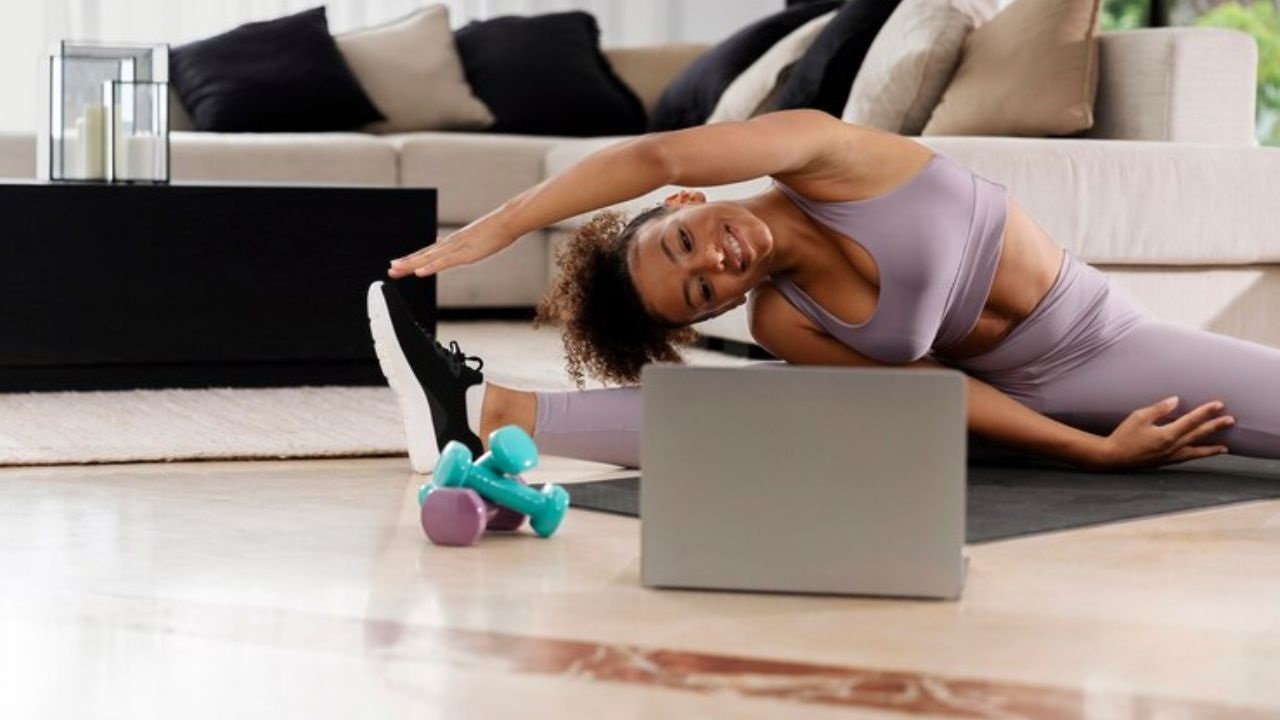
Yoga is one of the most popular types of physical exercise today. This exercise develop flexibility, muscular strength, and relieves tension. Many individuals, want to find out is yoga a cardio exercise? And can regular yoga practice enhance the cardiovascular system, like running or cycling does. We’ll discuss the topic in details.
What exactly does “cardio exercise” mean?
Getting a firm grasp on the meaning of the term “cardio” is the first step in determining whether or not yoga is a kind of cardiovascular exercise. The term “cardio exercise” refers to any form of physical activity that is performed to improve an individual’s cardiovascular system.
In most cases, these kinds of exercises involve the employment of big muscle groups in active movement to boost the oxygen intake of the body. As a result, the health of the heart and lungs, as well as the stamina of the individual. These kinds of activities also raise a person’s heart rate for a while.
In addition to aerobic workouts, cardiovascular exercises, brisk walking, jogging or running, swimming, cycling, and high-intensity interval training (HIIT) are all examples of activities that might be included in this category.
These workouts need the action of a particular portion of the body, more so the exercises that deal with the cardiovascular system, which builds endurance and burns calories.
Types of yoga and their intensity levels
There are numerous styles of yoga, and each one varies in terms of the quantity of energy one expends while performing it. The following is a guide on some of the best-recognized varieties and how they will likely aid the cardiovascular system.
Hatha Yoga
This is the milder style of yoga that encourages the practitioner to spend more time on the basic positions along with practising some breathing exercises. Despite its beneficial effects on flexibility and balance, this style of yoga often fails to elevate the heart rhythm to an aerobic level.
Vinyasa Yoga
This is sometimes referred to as ‘flow yoga’ as the practitioner rehearses the asanas or positions without any interruptions in between. This, however, makes this approach more interesting and is powerful in elevating pulse rates. This is especially true when doing the transitions at a higher tempo.
Ashtanga Yoga
Also fairly firmly built up over a continuous time, this kind of yoga features an asana or posture sequence that is more strenuous than the preceding one. The flow in this technique may be pretty extensive, delivering considerable cardiac benefits, especially to the advanced segments of practitioners.
Power Yoga
This new form is founded in components of current fitness and makes use of strength methods and fast-paced movement that gets the heart rate up, analogous to the practice of cardio exercises.
Read also: Aerobic Exercises Option Nyt
Is Yoga A Cardio Exercise?
Yoga may not be nearly a hundred per cent like jogging, but, in some circumstances, some types can enhance cardiovascular exercise and consequently heart health.
Elevation of Heart Rate
Some practices, such as Vinyasa, Power Yoga, or the Ashtanga style, allow one to raise his or her heart rate to moderately high levels, which over a given period might assist cardiovascular health.
Control of Breath and Blood Flow
Pranayama breath control methods are the other disciplines integrated into yoga. These procedures referred to as regulated breathing, boost the oxygen supply to the lungs, which raises their capacity and, improves heart health by lowering the strain on the vascular system.
Stress Management and Cardiovascular Benefits
There is a solid reason why most people equate yoga with stress alleviation. Studies demonstrate that yoga can regulate high blood pressure, decreasing cortisol (stress hormones), and improving overall cardiac wellness by most crucially controlling stress.
Comparison of Yoga with Traditional Cardiovascular Exercises
In this situation, assessing heart rate response, muscular engagement, and calorie expenditure will be important to establish if yoga may substitute normal cardio or not.
1. Heart Rate Influence
In cardio, such as cycling and running, the medium training zone frequently obtained by cardio practitioners varies between 60 and 85% of the maximal heart rate zone.
This delivers a tough cardiovascular workout. Yoga, however, style is done, may only raise the heart to 40–50% maximum heart rate, and this evenly goes down high cardiovascular activities, which may not be termed cardiac again.
2. Caloric Consumption
Yoga does not tend to burn as many calories as other aerobic training. For example, a hard jogging exercise within an hour would induce calorie loss of over 500 calories, whereas a yoga practice of moderately-paced intervals as simple as 200 to 300 calories.
However, termed power yoga (in those sessions, yoga alternatives are provided that are more rigorous and upbeat) or hot yoga (yoga is done in heated rooms) do manage to boost calorie expenditure.
3. Muscle Engagement
Balance, flexibility, and strength are the focus elements of yoga instead of aerobic workouts that contain a great deal of violent motions. While the endurance element of maintaining postures activates the stabilizing muscles, this does not correspond to aerobic exercises that generate substantial cardiovascular stress.
When to Classify Yoga as Cardiovascular Activity.
Although yoga is not referred to as ‘traditional cardio’ exercises and workouts, some practices come close to hitting the cardio output levels.
Significant health advantages connected with these two kinds of exercise have encouraged several yoga styles to be developed and promoted today. As such, below are a few situations that highlight how yoga may be tied to cardiovascular workouts.
Strength and Muscle Toning
Maintaining postures promotes stamina, especially in the core, legs, and arms; therefore, developing the muscles without the significant danger of weight training, which entails weights diving in and out of one’s bones.
Mental Health Benefits
Yoga is primarily a mental health treatment that can reduce mental and emotional stress. The meditative workout components boost focus, reduce tension and anxiety, and allow sound sleep, all factors that promote a healthy life.
Combining Yoga with Traditional Cardio for Optimal Health
To accomplish fitness goals, one needs to perform both yoga and cardiovascular physical activities.
A Balanced Weekly Routine: In an ideal week, blend low-impact and high-impact, low-intensity routines like yoga with high-intensity workouts such as jogging, cycling, or HIIT.
For example, one can perform yoga one day and cardio the next if one does not desire to compromise on any exercise that delivers a decent workout for the body and the heart.
Yoga to Counter Any Effects of High-Intensity Cardio: After certain days of high-intensity cardio, yoga can be an objective active recovery workout. It includes stretching tight muscles and may help lessen the chance of injury, as well as give a respite for the body.
Tips for Beginners
If you are a newbie in fitness, attend a few yoga sessions throughout the week, as you increase your endurance, add on traditional cardio training. The purpose should be to combine them all in the exercises. To be more successful, add at least 150 minutes of moderate aerobic physical exercise weekly.
Frequently Asked Questions about Yoga and Cardio Exercise
Can yoga be a replacement for cardio?
Yoga may have certain cardiovascular effects that go beyond mild but normally do not boost the heart rate for a lengthy time, which is the case with cardiovascular workouts. Although other types, such as power yoga and hot yoga, get closer, they are typically excellent for usage along with cardio activities for the benefit of the heart.
Is hot yoga a cardio workout?
Hot yoga surely may be classified as an achiever since it is a workout from the inside and even picks up one’s heart rate but still won’t beat the likes of cardio workouts such as jogging or cycling.
How many times should I do yoga a week for heart health?
For heart health aims, incorporate yoga 2-3 times a week into the timetable. It works better if such practice requires rapid-paced practitioners. For enhancing cardiovascular health, the most helpful would be performing yoga coupled with other cardiovascular workouts roughly 3-4 times a week.
Is Power Yoga useful for heart health?
Power yoga is also highly beneficial in preserving the excellent condition of the human cardiovascular system.
Conclusion
Yoga is an innovative style of physical exercise that delivers many amazing outcomes in health preservation. This includes some cardiovascular ones highlighted especially by Power Yoga, Vinyasa, or Ashtanga.
Yoga does not take away the necessity for aerobic workouts, but it rather improves the complete program by boosting other activities such as flexibility, strength, balance, and mental peace. In such cases, it would be good to undertake physical workouts linked with cardio. This includes running, to produce a superior overall condition of heart and muscle endurance and tone.
With this combo, you shall appreciate both the good status of your cardiovascular system and practising yoga in all its magnificence.


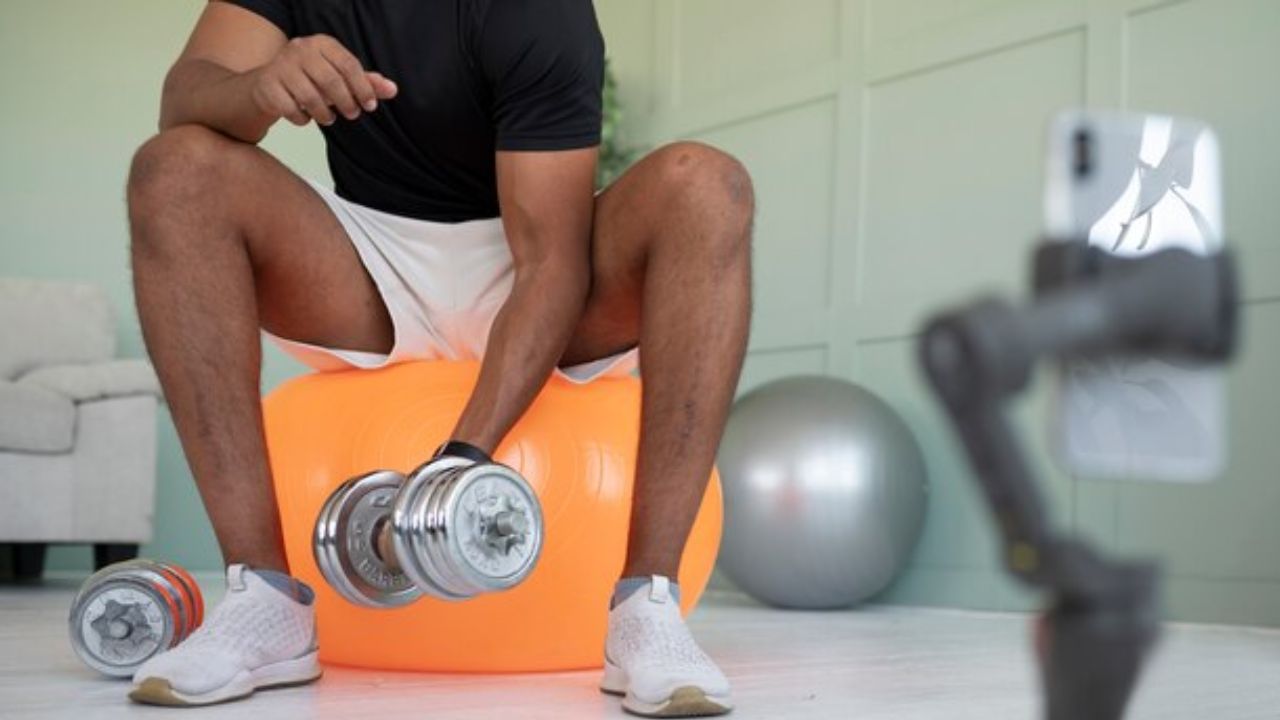
You can exercise without going to the Gym. Interestingly, with adjustable dumbbells, you don’t have to worry about space. But then, what are the best adjustable dumbbells for home workouts? Adjustable dumbbells should be firm in the hand and easy to adjust. The adjustment process shouldn’t be frustrating. If the grip is uncomfortable, the plates rattle, or the mechanism jams, so will your workout.
This guide is all about adjustable dumbbells, their features, and the exercises you can perform with them.
What Is an Adjustable Dumbbell?
Adjustable dumbbells act as a replacement for multiple fixed dumbbells within a single compact set. Instead of having pairs of dumbbells at 10, 20, 30, and 40 pounds, users adjust the weight on one handle. That’s useful for someone with limited space who works out alone.
Two types of adjustable dumbbells dominate options for home exercise.
Selector-based systems involve using a dial or pin to quickly alter weights. Plate-based systems involve removing a collar, taking plates out, putting on plates, and then replacing the collars.
Both have advantages and disadvantages. Selector systems are faster and cleaner, but depend on internal mechanisms. Plate-loaded sets are simple and more robust, but harder to work with.
Toughness, ergonomics, and versatility depend on the brand. You can take some adjustable dumbbells to a commercial gym. Knowing these differences will help you make a perfect choice.
Watch how to adjust here: https://www.youtube.com/watch?v=3FMtYvB3Sbo
Best Adjustable Dumbbells for Home Workouts
NÜOBELL Adjustable Dumbbells (Best Overall)
NÜOBELL adjustable dumbbells have a smooth operating dial mechanism. A dial is integrated into the handle. To adjust the weight, the dumbbell is placed in the base, and the handle dial is rotated until the desired size is selected.
Depending on the model, each dumbbell can be adjusted from a relatively light starting weight up to either 50, 70, or 80 pounds. The increments are even and doable, making it easier to follow through. That’s what makes this range ideal for both lighter isolation work and heavier compound movements.
The plates are made of steel and are curved to reduce bulk. This provides the dumbbells a more balanced feel and a more natural range of motion. The textured, ergonomic handle offers a confident grip that is gentle on the hands.
These dumbbells are not made to be dropped. You are to lift it in a controlled way and to treat it gently. When used properly, they are rock solid and accurate.
Features:
- Based adjusting mechanism
- Steel weight plates
- Ergonomic handle
- Compact size
- Includes storage cradle.
Pros:
- Quick, smooth weight changes
- Good balance while working out
- Robust materials when treated properly
- Space saver versus full dumbbell sets
Cons
- Can’t drop them
- It costs more to begin with
- Need to put it in the base to change the weight.
Snode AD80 Adjustable Dumbbells (Best for Durability and Drops)

Snode AD80 adjustable dumbbells are designed with high strength and impact resistance. While they use a selector-based system, the build is thicker and heavier than a lot of comparable models.
Each dumbbell is adjustable up to 80 pounds. The plates are thick, and the internal locking system is quite sturdy. This provides the set with more drop tolerance, which is handy for those who train heavily.
The handle is straight and ergonomic with a shaft diameter that fits most hands. The dumbbells are dense and solid-feeling, which many prefer with pressing, rowing, and deadlift-type movements.
Weight changes are not as quick as the lighter selector systems, but the trade-off is strong. If you want something that will last, this set is a good choice.
Features:
- Selector-based adjustment system
- Reinforced steel construction
- Adjustable up to 80 pounds
- Uniform and Compact Weight Distribution
- Built for heavy-duty workouts.
Pros:
- Can take a few drops
- Strong
- Good for people who lift a lot.
Cons
- Bigger than some adjustable sets
- Takes a bit longer to change the weight
- More expensive than other budget alternatives
REP QuickDraw Adjustable Dumbbells (Best for Quick Changes)

The REP QuickDraw adjustable dumbbells have a pin-based selector system. They operate more like traditional weight stacks and allow you switch weights quickly, without dials.
Each dumbbell is in a tray. The user can change the weight by pulling out the selector pin, moving it to the desired setting, and then lifting the handle. This mechanism is optimal for workouts; it consists of supersets, drop sets, and timed intervals.
REP builds quality gear, and the Rep QuickDraw set is not different. The plate sits properly, and the handle is ergonomic, with a non-slip grip. Similar to most other selector-based adjustable dumbbells, it is not meant for dropping.
Features:
- Pin-based selector system
- Fast weight transitions
- Compact storing tray
- Ergonomic handle design
- Solid steel construction
Cons
- Very fast adjustments
- Easy to use during circuit training
- Stable feel in hand
- Organized setup
Cons
- Not drop-friendly
- Limited upgrade flexibility
- Costs more than manual plate sets
Ativafit 71.5 Adjustable Dumbbell Set

You can adjust the Ativafit 71.5 adjustable dumbbells using a pin system. The dumbbells sit in a base that holds the plates you’re not using.
It’s easy to change the weight fast. The handle is a bit heavy, so you have to be careful not to drop it. But for regular workouts at home, they work just fine.
Features:
- Adjustable up to 71.5 pounds
- Selector pin mechanism
- Has a compact base
- Ergonomic handle
- Space-saving design
Pros:
- Affordable selector-style option
- Easy to adjust
- Good for home workouts
- Requires a small space.
Cons:
- Less durable than higher-end sets
- Need to handle the plastic parts carefully
- Not for dropping.
FLYBIRD 55 Pound Adjustable Dumbbell Set
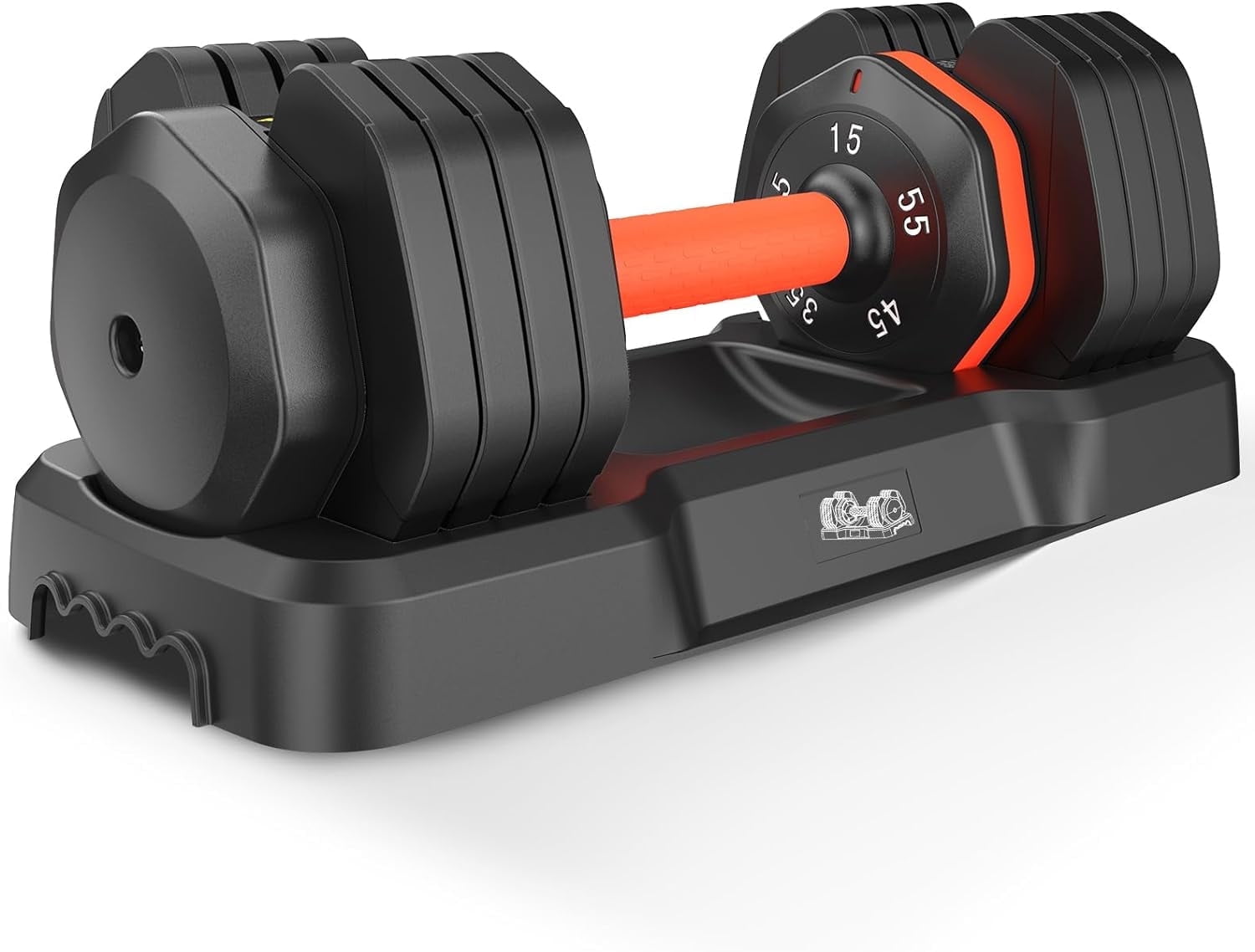
The FLYBIRD 55 lbs adjustable dumbbells set adopts a classic Plate Loaded design. It comes with handles, weight plates, and spin-lock collars.
This means people add the weight themselves if they want to customize. Although these modifications consume more time. The plates are coated with a layer to prevent damage and to reduce noise.
A vital feature is that it is versatile. In addition, the plates are compatible with other fitness equipment, such as barbells. As a result, it will help you build a gym at home.
Features:
- Plate-loaded adjustable design
- Total weight up to 55 pounds
- Spin lock collars
- Gender Neutral Handles
- Modular equipment setup.
Pros
- Inexpensive and versatile
- Parts are easy to repair or replace
- Long-lasting with good handling
- Suitable for gradual strength building
Cons
- Weight changes are slow
- Takes up more space
- A bit inconvenient for quick workouts.
CAP Barbell Adjustable Dumbbell Set
The CAP Barbell adjustable dumbbell is a classic among dumbbells. It uses both cast iron plates and threaded handles with spin-lock collars. There are no internal parts to break, and if necessary, you should replace the parts. Because it uses cast iron plates, the dumbbells deliver consistent weight and last long.
This handle is ergonomic and comfortable. However, the trade-off takes longer to adjust, and some users prefer the reliability and control of this Single-Pin System.
Features:
- Cast iron weight plates
- Spin-lock collar system(steel)
- Knurled ergonomic handles (steel)
- Modular design.
Pros
- Very durable
- Easy to fix
- Adjustable sets
- Strong
Cons
- Changing weights takes time
- Noisy when changing plates
- A bit heavy
How to choose the Best Adjustable Dumbbells for Home Workouts
How you choose the best adjustable dumbbell depends on the type of training you do and the convenience you want. Selector mechanisms allow speed and ease. Plate-loaded sets provide more versatility and are easier to maintain.
If you want your dumbbells to last, get something durable. Look for Ergonomic handles that reduce hand fatigue. And the more exercises you can do with them, the better. The right set is something you use all the time, not just another dust collector.
How Adjustable Dumbbells Fit Into Home Workout Routines
With adjustable dumbbells, you can switch exercises quickly. A single set covers everything: full-body or split training. Do presses, rows, squats, lunges, curls.
What to Expect When Using Adjustable Dumbbells
If you are planning to use an adjustable dumbbell at home, here is what you should expect:
It Takes Time to Adjust the Weight
Changing weights is not immediate. Whether it’s a dial, pin, or plate system, it will take a few minutes to adjust before each exercise. However, the process is simple.
Secure Loading
You have to know how to put the dumbbells properly in their stand or attach plates. Make sure the weight is securely locked before you lift.
Constantly Adjusting in Workouts
Home workout routines include supersets and compound exercises. You may need to change the weight constantly in your workout.
Adjustment for Other Exercises
Dumbbells feel different when doing isolation or compound exercises. Don’t be surprised if you experience some slight difference in balance.
Using Adjustable Dumbbells for Home Workouts Without a Full Gym Setup
Many people train at home without benches, bars, or big machines. Adjustable dumbbells are a good option under such circumstances, as they need little additional supporting equipment.
You can do most exercises standing up, sitting down, or lying on the floor. Presses, rows, squats, deadlifts, and core exercises can all be performed safely with dumbbells. This means that they can be used in small rooms or in shared spaces.
Adjustable Dumbbells for Home Workouts in Everyday Training
Adjustable dumbbells are great for this because you can slowly add weight as you get stronger. They work well for both lighter isolations and heavier compounds.
This means you can use the same machine with multiple users at different levels of intensity without the need for buying separate models for each user. Because adjustable dumbbells are always there, your workout will be regular. Even a 20-minute workout can be worthwhile.
Read also: What Exercise Builds Trapezius Muscle?
Adjustable Dumbbells for Home Workouts: Practical Use at Home
Here’s why adjustable dumbbells are perfect for your home gym:
- Saves Space: One set does the job of many, which is awesome if you’re tight on space.
- Feels Solid: A decent set won’t wobble when you’re lifting. This helps you keep good form and stay safe.
- Easy to Adjust: You should be able to change the weight quickly so you can keep your workout going.
- Easy to maintain: Just clean the surface and store them; no special treatment needed. This means they’ll last.
- Works for Lots of Moves: Use them for presses, rows, squats, curls.



Some people work out in the morning, while others prefer to work out in the evening. Either can be great. However, when you want to decide between morning and evening workout plans, there are things you must consider. Do you have a busy morning and what are your fitness goals? Let’s start from here.
There is no perfect time to exercise. An individual may choose to workout in the morning because he or she has a less busy day. If you decide to workout afterwork, it is still okay.
Does Workout Timing Matter more
The body operates under a twenty four hour cycle. This cycle impacts strength, balance, reaction times, and your energy system. Not giving it attention may decelerate the progress. In the morning, when you wake up, your body is stiff. The core temperature is low. The joints are tight. The mind may be calm but slow.
However, at night, when you go to bed, the body is warmer. Muscles stretch more easily. Reaction time gets better. These subtle changes affect how the body responds.
How Hormones Change From Morning to Evening
Hormones sends signals to your body on how to use energy. It’s normal for these hormones to change during the day, you know? They don’t just stay the same. When you wake up in the morning, your cortisol levels are typically high. Cortisol helps get rid of stored energy, too. This helps your body burn fat while you work out.
There is testosterone, too, but it peaks earlier in the day. When evening comes, your cortisol levels go down. The body feels less stressed. Your muscles get stronger.
Understanding a Morning Workout Plan

There’s something about working out in the morning that feels really quiet and focused. It’s less distracting. The gyms are not as crowded. The day feels more organized. This plan is for individuals who have busy evenings. Let’s check out the good and bad parts.
Benefits of a Morning Workout Plan
Supports Fat Loss
Working out early, especially before breakfast, can push your body to use more fat for energy. Your blood sugar’s lower, so your system turns to stored fat. If you’re wondering whether morning or evening workouts burn more fat, mornings seem to help for some folks.
Improves Mood and Focus
Exercising in the morning circulates blood to your brain and help cut down on stress. People often feel sharper and in a better mood after an early session.
Frees Up the Evening
Doing your workout in the morning means your evenings are wide open. That’s a big deal for parents, shift workers, or anyone with a busy social life. When your routine fits your life, you’re more likely to stick with it.
Limits of a Morning Workout Plan
Reduced Strength and Power
Normally, in the morning, muscles feel stiff or sluggish. Lifting heavy feels harder, and sprint speed can dip. That can drag down your performance.
Higher Injury Risk Without Warm-Up
Joints and muscles need extra time to loosen up in the early hours. Rushing through can lead to strains.
Who Should Choose a Morning Workout Plan
A morning workout plan suits people who:
- Have busy evenings.
- Focus on fat loss or general fitness.
- Struggle with consistency later in the day.
Understanding an Evening Workout Plan
An evening workout plan means training after work or later in the day. This can be late afternoon or night. Many athletes prefer this timing.
The body is warmer. Muscles move better. Energy levels often peak. This makes intense exercise feel easier.
Benefits of an Evening Workout Plan.
- Balance gets better. This helps with lifting, sports, and fast movements.
- Lower Injury Risk: Warm muscles stretch more easily. Joints move smoothly. This reduces strain risk when lifting heavy or training hard.
- Stress Relief After Work: Evening exercise clears the mind. Many people sleep better after training, as long as it is not too late.
- Better Training Quality: Food intake during the day supports the workout. Glycogen levels are higher. This boosts longer and harder sessions.
Limits of an Evening Workout Plan
- Schedule Conflicts
Work delays, family duties, and fatigue can interfere. Missed workouts reduce results. - Sleep Disruption for Some
Late intense workouts may raise heart rate. This can delay sleep. Poor sleep hurts recovery. - Higher Gym Crowds
Evenings are busy. Waiting for equipment can reduce focus and flow.
Who Should Choose an Evening Workout Plan
So, who’s this evening workout thing really for? Maybe you’re not a morning person at all, or your day job makes daytime exercise a total no-go. If you’re someone under stress during the day, an evening workout seems like a perfect idea.
Also, if you find yourself with more energy as the day goes on, an evening session may be just what you need to make the most of that natural rhythm.
Is it better to work out in the morning or evening?
It really depends. When’s the best time to do something? It really just depends on you, not what the clock says. For some, morning workouts are best if you want to build a habit and burn fat. Working out in the evening really helps with strength and how well you perform.
If you keep at it, both things are good for your health. You know, the thing that really wins in the end is the plan you actually stick with for months, not just a few days.
Do Morning or Evening Workouts Burn More Fat
You can burn more fat if you exercise in the morning. Working out in the evening could help you burn more calories too. However, it comes down to your effort and what you eat; if those are in check, either one will help you lose the same amount of fat. The outcome hinges on a few things.
Comparing Morning and Evening Workout Plans
Morning workouts:
- Support routine.
- Reduce missed sessions
- Feel hard for strength training.
Evening workouts:
- Improve performance.
- Support heavy lifting.
Neither is wrong. One may simply be better for you.
How Timing Affects Different Fitness Goals
Fat Loss
Early training may help some people stay lean. Evening training may burn more calories. The better plan is the one you sustain.
Muscle Building. Evening workouts often support heavier loads. This helps muscle growth.
Heart Health
Both timings improve heart health equally when done regularly.
How to Choose the Right Plan
Ask yourself:
- When am I actually awake and ready to go?
- When is the best time for me?
- When do I stick to my workouts most often?
- How does my sleep react when I train at different times?
Building a Flexible Workout Plan
You don’t have to pick one set time and stick with it forever. Life’s messy. Work schedules change. Your energy levels shift. Some work out early during the week and later on weekends. Others change things up with the seasons. Staying flexible helps you stick with it for the long haul.
Read also: Vegetarian Meal Plan for Workout and Muscle Gain
Final Thoughts
It’s not about whether you work out in the morning or at nigh, there’s no right answer here. What matters is what fits your life. Your body gets used to whatever schedule you throw at it. What it wants is for you to keep moving, and not when.
Working out early in the morning takes some real discipline. On the other hand, training in the evening, you probably feel stronger and perform better. Either way, you will burn fat. The important thing is to pick a time that feels right to you, something you can stick with. That’s always the best plan.





Are you envious of those defined jawlines you see on Instagram? Well, there’s no need to feel so because now you have a solution at hand. Jawline exercises can help you achieve that chiseled look you wish to have. With just a few simple exercises, you can strengthen and tone your jawline.
The attractiveness can make you look more youthful but a weak jawline makes people look older through sagging skin and a double chin.
Your natural facial structure is shaped by genetic factors, but you can improve your jawline through specific exercises, proper nutrition, and lifestyle changes. This post will provide all the necessary information you need to know about jawline exercises.
What Are Jawline Exercises?
It’s the facial exercises that tones and targets the muscles in the jaw and lower face. These muscles primarily are the masseter and platysma. They function when one is chewing, and speaking.
Facial exercises for jowls are valuable additions to your skincare routine. They are vital exercises that you should add. Doing these exercises improves your jawline, minimize double chins, and maintain your facial balance. Exercising these facial muscles helps strengthen them and create a more defined, a youthful appearance in the jaw and neck area.
Benefits of Jawline Exercises
Exercise for the jawline strengthens the muscles around your jaw, neck, and chin. Regular work of these muscles helps to reduce fat deposits, tighten facial skin and improve facial symmetry.
The benefits of jawline exercises are:
- Stronger jaw muscles:
- Reduces double chin
- Improves facial definition
- Enhances blood circulation:
- Better posture and neck alignment
- Reduce the risk of developing temporomandibular joint (TMJ) disorders.
Jawline Exercises To Consider:
Effective selections of jawline exercises that you can start implementing today include the following:
1. Chin Lifts
The exercise targets your throat along with your neck and jaw muscles.
How to do it:
To perform this exercise, you should position your head backward while looking at the ceiling. Pull your lips toward the ceiling while maintaining your face tilted backward.
- Hold for 5-10 seconds, then relax.
- Repeat 10-15 times.
2. Jawline Clenching
This is an easy exercise that targets the jaw muscles.
How to do it:
- Clench your teeth for 10 seconds.
- Release and relax your jaw.
- Repeat 10-15 times.
3. Fish Face Exercise
Creating a fish face helps tone the cheeks together with the jawline.
How to do it:
To create the “fish face” position, you should pull your lips and cheeks inside your mouth.
- Hold for 10 seconds.
- Repeat 10-15 times.
4. Tongue Press
This exercise helps trim the chin and jaw muscles.
How to do it:
- You should place your tongue against the top surface of your mouth.
- • Hold for 5-10 seconds.
- Repeat 10-15 times.
5. Neck Stretch
The stretching movements assist in tightening the loose skin found around your jaw. How to do it: Shift your head backward while directing your gaze at the ceiling above. Place your tongue on the top of your mouth for the exercise.
- Hold for 10 seconds.
- Repeat 10-15 times.
6. Jaw Jutting
The jaw jutting exercise serves two functions: defining the jaw structure while decreasing the appearance of a double chin.
How to do it:
- Look straight ahead.
- Push your lower jaw forward.
- Hold for 5-10 seconds.
- Repeat 10-15 times.
Diet and Lifestyle Tips for a Stronger Jawline
Exercise alone isn’t enough. Here are other ways to enhance your jawline naturally:
1. Eat a healthy diet
The presence of extra body fat prevents your jawline from showing properly. When you maintain a balanced diet, it will help you decrease facial fat. Lean meats along with eggs Fish and legumes, are protein-rich foods you should include in your diet.
- Healthy fats: Avocados, nuts, and olive oil.
- Fruits and vegetables, have high water content, they provide hydration to the body.
2. Stay Hydrated
Dehydration can lead to bloating and puffiness in the face. Drink at least 8 glasses of water daily.
3. Reduce Salt and Sugar Intake
Your face can become swollen when you eat foods with too much salt or sugar. Because of this, it leads to water retention, which makes the face look puffy.
4. Chew Gum Regularly
Chewing gum serves as a convenient method to activate your jaw muscles while defining them better.
5. Maintain Good Posture
When you maintain an improper posture, your jawline becomes weaker. Hold your face with a strong posture by facing forward with an elevated head position.
6. Get Enough Sleep
Insufficient sleep can cause facial bloating and this quickens the aging of the face. Ensure that you sleep up to 7 to 9 hours in the night.
7. Try Facial Massages
Applying essential oils on your face boost blood circulation while making your skin tight.
Common Myths About Jawline Exercises
- Jawline Exercises Alone Will Give You a Chiseled Jaw: This is not true; although, Jawline exercises are very effective, but you will get a quicker result when you combine it with proper nutrition and maintain a healthy lifestyle habits.
- You can target Facial Fat like BODY FAT: This is another misconception. You can’t spot-reduce fat from just one area. There’re exercises for it, but you will need to slim down your whole body.
- Jawline Exercises Work Instantly. Results take time, but it differs from person to person.
Alternative Methods for Enhancing Your Jawline
Selecting from these extra alternatives might help you achieve faster outcomes.
1. Facial Yoga
Through facial yoga, people can tighten their facial muscles and minimize aging symptoms. The exercise begins with a wide mouth opening followed by a 5-second hold, which transitions into producing your facial muscles tight against one another.
Repeat 10 times. Use your cheeks to produce airflow, which moves between each side 10 times. Do this 10 times. End the exercise with a large smiling face while keeping your lips sealed. Perform each movement for 5 seconds while doing it a total of 10 times. The exercise will transform your face and provide it with a younger appearance.
2. CoolSculpting
CoolSculpting is a non-invasive body sculpting method option for you. Targeted fat cells receive treatment through a cooling technique that controls temperature during this procedure.
3. Dermal Fillers
Injectable fillers, when applied to the jaw area, create defined outlines that produce a better facial contour. Your skin and surrounding tissues receive support from the fillers, which also plump skin layers to create a youthful contour in your appearance.
4. Weight Loss
Natural body weight reductions result in a better definition of the jawline. Weight loss can help! Excess body weight loss reveals sharper facial features as it makes the jawline stand out more prominently by burning away facial fat.
FAQs
Q. Do jaw exercises work?
Yes, jaw exercises help strengthen the muscles in your jaw, but, to slim down, you need to eat more of protein, drink enough water and get enough sleep.
Q. How long does it take to see results from jawline exercises
A. The time varies from person to person. However, the duration to see some changes is between 4 and 8 weeks as long as you maintain steady practice.
Q. Can jawline exercises get rid of a double chin?
A. Yes, however, it works better when you exercise regularly and maintain a healthy eating habit.
Q. Is chewing gum an effective way to strengthen the jawline?
A. The jaw gets muscle activation from gum chewing, although proper overall exercise routines should be the primary approach for this benefit.
Q. Are there any risks to jawline exercises?
A. Overdoing them may cause jaw pain or discomfort. People should begin their exercise routine at a low intensity before building up the intensity step by step.
Q. Can jaw exercises help with TMJ pain?
A. The combination of jaw exercises with different integrated therapies like massage, physical therapy, and stress management techniques helps treat TMJ pain effectively, although they cannot serve as the sole remedy.
Final Thoughts
These facial exercises bring several advantages to you even if you do not want a chiseled jawline. However, you know that the results will not happen in the twinkle of an eye. So be consistent! In addition, you mustn’t overdo things. Follow the steps, and ensure that you drink enough water.

-
 Health Tips2 years ago
What Tea Is Good For Kidney Cleanse?
-
 Nutrition & Diet1 year ago
Which Nuts Are Good For Kidneys?
-
 Fitness Tips1 year ago
Will Metoprolol Help With Heart Palpitations?
-
 Health Tips10 months ago
The Ultimate Guide To ICD-10 Coding For Prostate Cancer
-
Exercise12 months ago
Jawline Exercises: How to Get a Sharper, More Defined Jawline Naturally
-
 Health Tips11 months ago
Tylenol vs. Ibuprofen: Which is Better for Heart Disease?
-
 Fitness Tips9 months ago
Caffeine-Free Fat Burners: The Best Supplements for Fat Loss
-
 Health Tips1 year ago
Can Allergies Cause Heart Palpitations? Understanding the Connection