
Fitness Tips
Caffeine-Free Fat Burners: The Best Supplements for Fat Loss

You can lose weight without taking caffeine. Because many people use fat burners loaded with stimulants, does not make it healthy. So, if you are looking for something sustainable then you should consider caffeine-free fat burners.
These products are safe for those who want to lose fat. They speed up metabolism, boost energy, and help you get rid of stubborn body fat quickly. If you react to caffeine, have anxiety issues, or just want to avoid crashes, caffeine-free fat burners might be just what you need.
In this guide, we’ll cover everything you need to know about fat burners without caffeine—their effects, ingredients to look for, and best products for 2025.
Why Choose Caffeine-Free?
Caffeine isn’t for everyone. While it can give a quick energy boost, it also comes with side effects like anxiety, sleeplessness, and even faster heart rates. For some people with health issues, caffeine can be risky.
That’s where non-stimulant fat burners are useful. These supplements can help you burn fat without any effect on your nervous system. People sensitive to caffeine, those who prefer taking supplements at night, women going through hormonal changes, or people managing anxiety or heart problems can use the supplements.
How Caffeine-Free Fat Burners Work
Caffeine-free fat burners are different from regular fat burners that depend on stimulants. Instead, they contain natural ingredients to help your body burn fat. Here’s the breakdown:
1. Boost Metabolism Naturally
You don’t need caffeine to speed up your metabolism. Ingredients like decaffeinated green tea extract and grains of paradise can boost your metabolism. They increase your body temperature gently, which helps you burn more calories during the day. Unlike those stimulant-heavy options, these natural ingredients work quietly, activate brown fat cells and increase energy.
2. Enhances Fat Loss
It’s not just about burning more calories; it’s also about getting rid of stored fat. That’s where L-carnitine comes in. This is a compound that transport fatty acids into your cells’ mitochondria, which is where they turn into energy.
By improving how your body uses fat stores, caffeine-free fat burners can provide steady energy levels without any stimulants. In addition, the natural process helps your body use fat efficiently. If you work out often, L-carnitine can also improve your performance and lessen fatigue after exercising.
3. Controls Appetite
Some caffeine-free fat burners have ingredients that help you feel full. Ingredients like glucomannan (a fiber from konjac root), chromium picolinate, and 5-HTP are commonly found in these products for their ability to regulate appetite. These ingredients controls appetite and even boost your mood.
4. Block Fat Absorption
One way to help control how much fat your body absorbs from food is by using white kidney bean extract. The ingredient can block certain enzymes that usually break down fats in your digestive system. So, some of the fat you eat doesn’t get stored in your body, it can be helpful, especially on days when you’re eating a lot of carbs or fats.
If you’re looking to cut calories but don’t want to eliminate entire food groups, this is a smart approach. A caffeine-free fat burner that includes absorption blockers can give you an extra edge in your weight-loss efforts.
5. Support Mood and Focus
A common issue with typical fat burners is that they can cause energy spikes. Many people deal with anxiety and restlessness because of the high caffeine levels. But with caffeine-free fat burner supplements, it helps improve your mood. Ingredients like L-theanine, Rhodiola rosea, and bacopa monnieri promote calmness without overloading your system.
L-theanine content in green tea relaxes the body, while Rhodiola helps your body handle stress, which is important for those who may eat more when stressed. Bacopa even supports memory and mental function.
Top Caffeine-Free Fat Burner Ingredients

Here are some key non-stimulant ingredients to find in your supplements:
| Ingredient | Function | Benefits |
| L-Carnitine | Fat transport | Helps convert fat into energy |
| CLA (Conjugated Linoleic Acid) | Fat metabolism | May reduce body fat over time |
| Green Tea Extract (decaffeinated) | Thermogenesis | Naturally boosts metabolism |
| Grains of Paradise | Thermogenic | Mild, stimulant-free fat burning |
| 5-HTP | Appetite Suppression | Reduces cravings |
| Garcinia Cambogia | Appetite suppression | May support fat loss |
| Chromium Picolinate | Blood sugar support | Reduces cravings and stabilizes energy |
| White Kidney Bean Extract | Carb blocker | Limits fat storage from carbs |
Best Caffeine-Free Fat Burners (2025 Edition)
Here are some highly rated fat burners that don’t have stimulants:
1. Hunter Burn (Stimulant-Free)

Key Ingredients: Konjac root, white kidney bean, L-theanine. It is suitable for both men and women, no caffeine, helps with appetite control, and supports muscle retention.
2. Lean PM by Jacked Factory

Key Ingredients: Decaf green tea extract, L-theanine, 5-HTP. Lean PM is a non-stimulant and perfect for fat loss, it helps you to sleep well too. For a quick result, use at night.
3. Burn Lab Pro
Ideal for Muscle definition and workout performance. The main ingredients are: Forskolin, HMB, Cayenne pepper (capsimax), GTF chromium. Burn Lab Pro Helps keep lean muscles.
4. PhysiqueSeries Fat Burner (Transparent Labs)
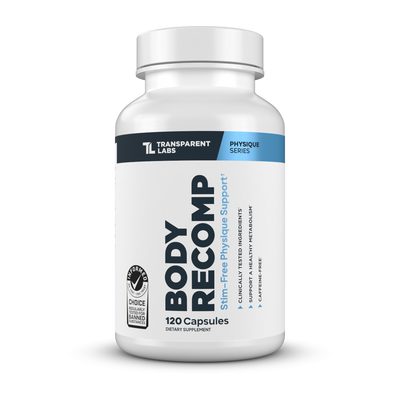
Key Ingredients: Forslean, 5-HTP, L-carnitine L-tartrate
Why It’s Great: Transparent about ingredients and dosages, no artificial fillers.
5. NatureWise CLA 1250
Best For: Long-term body composition support
Key Ingredients: Pure CLA from safflower oil. This supplement is affordable and effective too.
Who Should Use Caffeine-Free Fat Burners?
Caffeine-free options are ideal for everyone. Individuals below can take it:
- Those sensitive to caffeine
- People with anxiety or sleep troubles
- Anyone on stimulant medication for ADHD or other health issues
- Night shift workers or those training in the evening
- Women with hormonal imbalance
When and How to Take These Supplements
Timing matters. Here are some tips:
- Morning: Take it with breakfast.
- Pre-workout: Go for L-carnitine or CLA.
- Nighttime: Use something like Lean PM, it burns fat quickly and makes you sleep well.
- Always stick to the dosage instructions and remember that real progress takes patience and effort.
Results to Expect:
Non-stimulant fat burners are mild, if you combine it with a good diet and exercise, you will notice the following:
- Less appetite
- Steady fat loss
- No energy crashes
- You will sleep well at night.
Are Caffeine-Free Fat Burners Safe?
Most of the time, yes, especially if they have natural ingredients and you use them as advised. Just keep these tips in mind:
- Check for allergens.
- Don’t mix with other stimulants.
- Check if there are additives.
- See a doctor if you’re pregnant, breastfeeding, or have health issues.
How to Get the Best Results from Caffeine-Free Fat Burners
Pair it with:
- A Balanced Diet: Focus on whole foods, lean proteins, and fiber-rich carbs.
- Workouts: Exercise helps fat burners work better. Exercise at least 45 minutes daily.
- Take sufficient water: Many fat burners work better when you take enough water.
Stimulant-Free vs. Traditional Fat Burners
| Feature | Traditional (Caffeine-Based) | Caffeine-Free |
| Energy boost | Immediate, noticeable | Mild or none |
| Jitters | Common | Rare |
| Crashes | Likely | Rare |
| Sleep interference | Yes | Usually safe at night |
| Long-term use | May need cycling | Usually, safer |
| Suitable for sensitive individuals | No | Yes |
Read also: 10 Supplements Fitness Experts Take Every Day
Frequently Asked Questions
Q. Can I take caffeine-free fat burners with pre-workouts?
A. Yes! If your pre-workout has caffeine, it helps you get fat-burning support without overstimulation.
Q. Are they effective without exercise?
A. They work better with a healthy lifestyle. You might see slight benefits, but fat loss requires some movement.
Q. Do caffeine-free fat burners help keep muscle?
A. Some can! Look for the ones with HMB, CLA, or L-carnitine.
Wrapping Up
If you want to burn fat without sleep issues, caffeine-free fat burners can serve. Whether you’re an athlete, or just starting your fitness journey, these stimulant-free options can help you reach your goals. They contain key ingredients such as L-carnitine, CLA, 5-HTP, and decaf green tea. Top picks are: Hunter Burn, Lean PM, Burn Lab Pro.




Is it necessary to pay a monthly subscription just to monitor your health and fitness? For a lot of people, the answer is no. If you expect to get accurate health data, fitness tracking, without any ongoing fees, it’s worth going for the best fitness trackers without a monthly subscription.
In this buying guide, I’ll explain what fitness trackers without a monthly subscription is, features and the best fitness trackers. Read further.
About No Subscription Fitness Tracker
Fitness trackers without the subscription fee provide full access to your health without you paying for the monthly or yearly fee. After purchasing the device, fundamental services, such as heart rate tracking, sleep analysis, workouts, and activity history, will always be available without new payments.
This is more than most people think. Advanced metrics, long-term data storage, or insights are not available in subscription-based trackers without a monthly fee. These fees can add up in the long run, sometimes more than the price of the device.
On subscription-free fitness trackers, you can analyze your previous workouts, observe health trends, and make decisions based on your data without the fear of locked features. For longtime users, the move is more transparent, affordable, and sustainable.
Features and Things to Consider for a Fitness Tracker
It’s not all about value for money when it comes to buying a tracker. Below are the main aspects that make the difference when looking for the best fitness trackers without a monthly subscription.
1. Health and Fitness Tracking Accuracy
Accuracy is a must. Choose products that reliably monitor heart rate, steps, sleep stages, and workouts. Garmin and Apple provide excellent sensor accuracy and performance, but are also some of the most expensive smartwatch options.
2. Battery Life and Charging Convenience
The long battery life makes it a great choice. If you don’t want to charge too often, the Xiaomi Smart Band or Garmin Fenix series are perfect.
3. Access to Data and Insights
A multi-year subscription-free device should provide the owner with full access to historical data, trends, and reports. That said, this data is now at users’ fingertips; sleep history, workout logs, and health metrics, all unlocked from paywalls.
4. Device Compatibility and App Experience
Is it compatible with Android and iOS? “A nice crisp stable app is among the factors to consider. The device should be compatible with the app or other devices you want to sync.
5. Design and Durability
Water resistance, build quality, and comfort are all vital if you must wear the tracker every day.
Best Fitness Trackers Without a Monthly Fee Subscription
Garmin Vivoactive 6 and Garmin Fenix 8

Garmin has always been the best value in fitness trackers for no monthly subscription, and both the Vivoactive 6 and Fenix 8 live up to that ideal. The Garmin Vivoactive 6 provides a combination of fitness and wellness features in a slim smartwatch package.
Key features
- Continuous heart rate monitoring
- Advanced sleep tracking with sleep stages
- Stress tracking and body battery energy monitoring
- Built-in GPS for outdoor activities
- Multiple sport modes, including walking, running, cycling, and swimming
- Long battery life relative to most smartwatches.
All health and activity data is completely available on Garmin Connect with no subscription.
About the Garmin Fenix 8
The Garmin Fenix 8 is designed for elite athletes and outdoor enthusiasts who want comprehensive metrics and a robust design.
Features:
- Multi-band GPS for high-precision positioning
- More advanced training statistics, including VO₂ max and recovery time
- Tracking of sleep, stress, and heart rate variability
- Tough construction, waterproof and long battery life
- Compatible with hiking, trail running, and cycling.
Garmin doesn’t charge you a monthly fee to access your data. This makes the Fenix 8 one of the best fitness trackers that don’t require a monthly subscription available today.
Xiaomi Smart Band 8 and 9—Free-Fee Budget Fitness Tracking
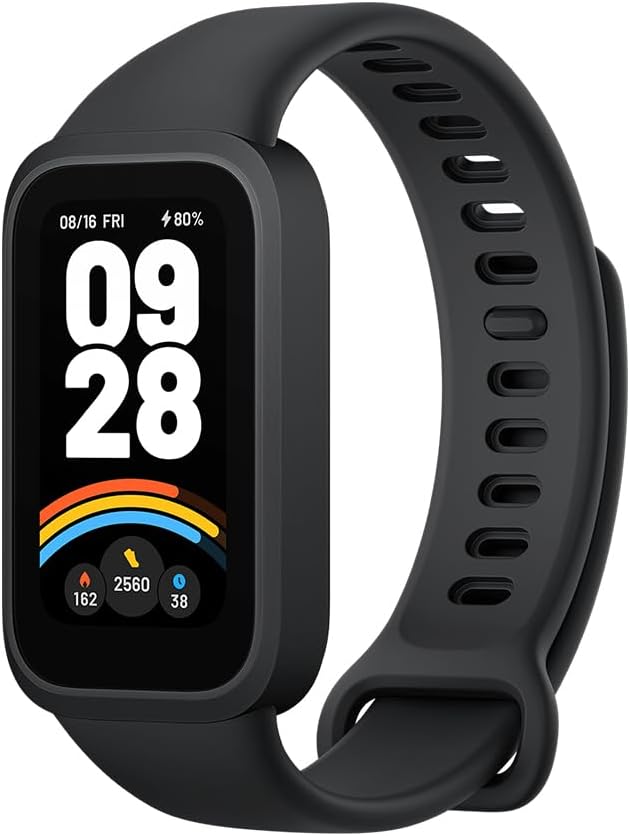
Xiaomi wearables have always been the best option for what you get in terms of cost without sacrificing core functions.
These bands; Xiaomi Smart Band 8 and 9 are suitable for beginners, students, or anyone who just wants uncomplicated, accurate tracking.
Features:
- Monitoring heart rate and SpO₂
- Sleep monitoring with good summaries
- Count steps and calculate calories burned.
- Several training modes
- Long-lasting, lightweight design
- Complete data via the Mi Fitness app.
No subscriptions needed. You pay only once and then have full tracking, which makes Xiaomi Smart Band 8 and 9 the best cheap fitness trackers with no monthly subscription for users who want to save some cash.
Amazfit Balance and Helio Ring
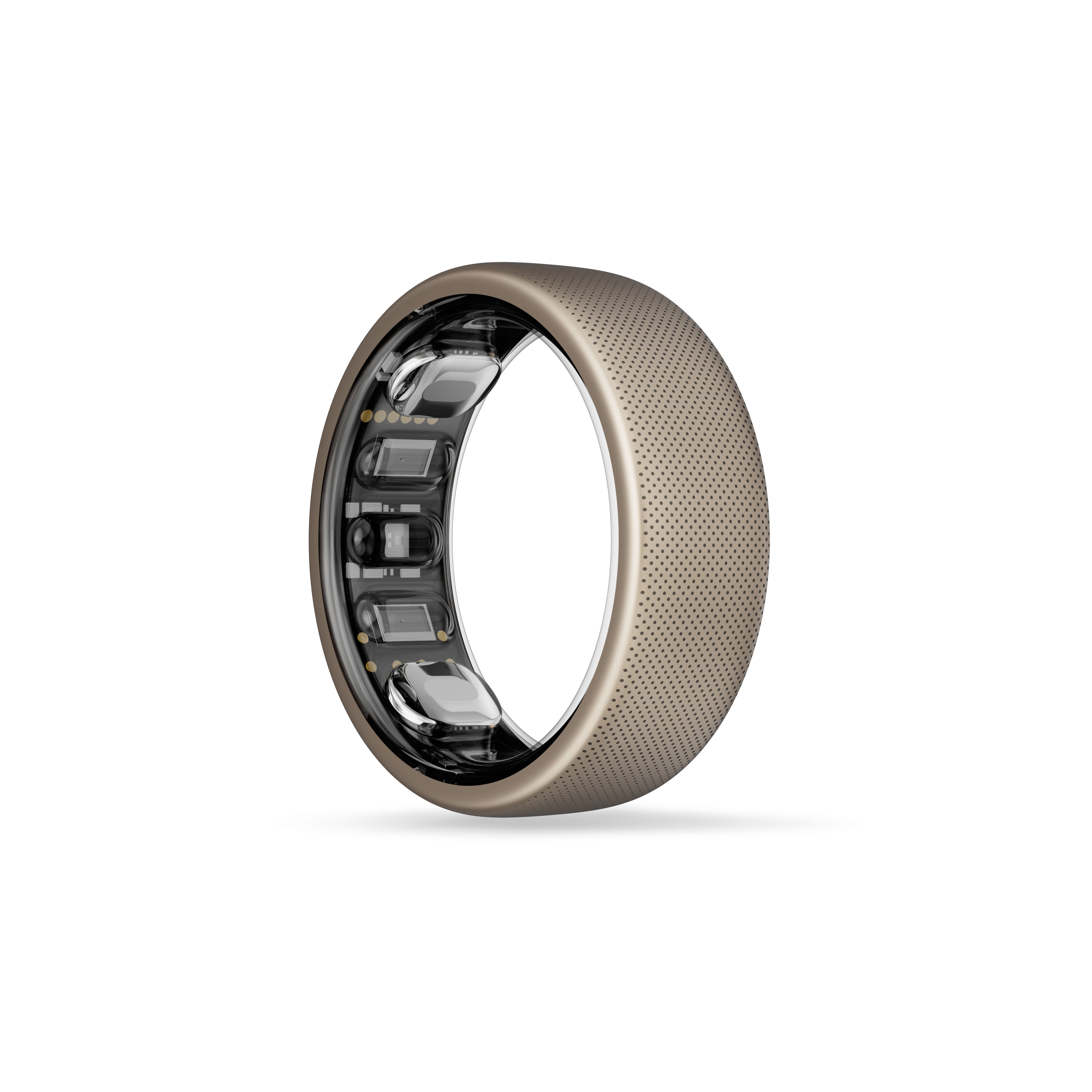
Amazfit is the best for advanced health data with no subscription fees. It is all about wellness, recovery, and everyday activity monitoring.
Features
- Heart rate and sleep tracking are continuous.
- Readiness & recovery insights
- Monitoring your stress and breathing exercises
- Built-in GPS for outdoor activities
- Clean, visually appealing Zepp app with no locked features
About Amazfit Helio Ring
The Helio Ring is made for those who like to track quietly without a watch screen.
Features:
- Lightweight ring with 24/7 health monitoring
- Sleep, heart rate, and recovery data
- No screens, no distractions
- All the data via the Zepp app.
Amazfit gives you uncapped access to your data even if you don’t buy a subscription, making them the best choice for fitness trackers that don’t require one.
Samsung Galaxy Fit 3

The Samsung Galaxy Fit 3 is targeted at those who just need the basics in a small package. The unit was all about simplicity, comfort, and reliable performance.
Features:
- Heart rate and sleep monitoring
- Step counting and activity recognition
- Water-resistant for swimming
- Long battery life
- Seamless Samsung Health connection.
The lack of a monthly fee for Samsung Health to view basic fitness data makes the Galaxy Fit 3 a good option if you want to avoid a subscription.
Apple Watch Ultra 2
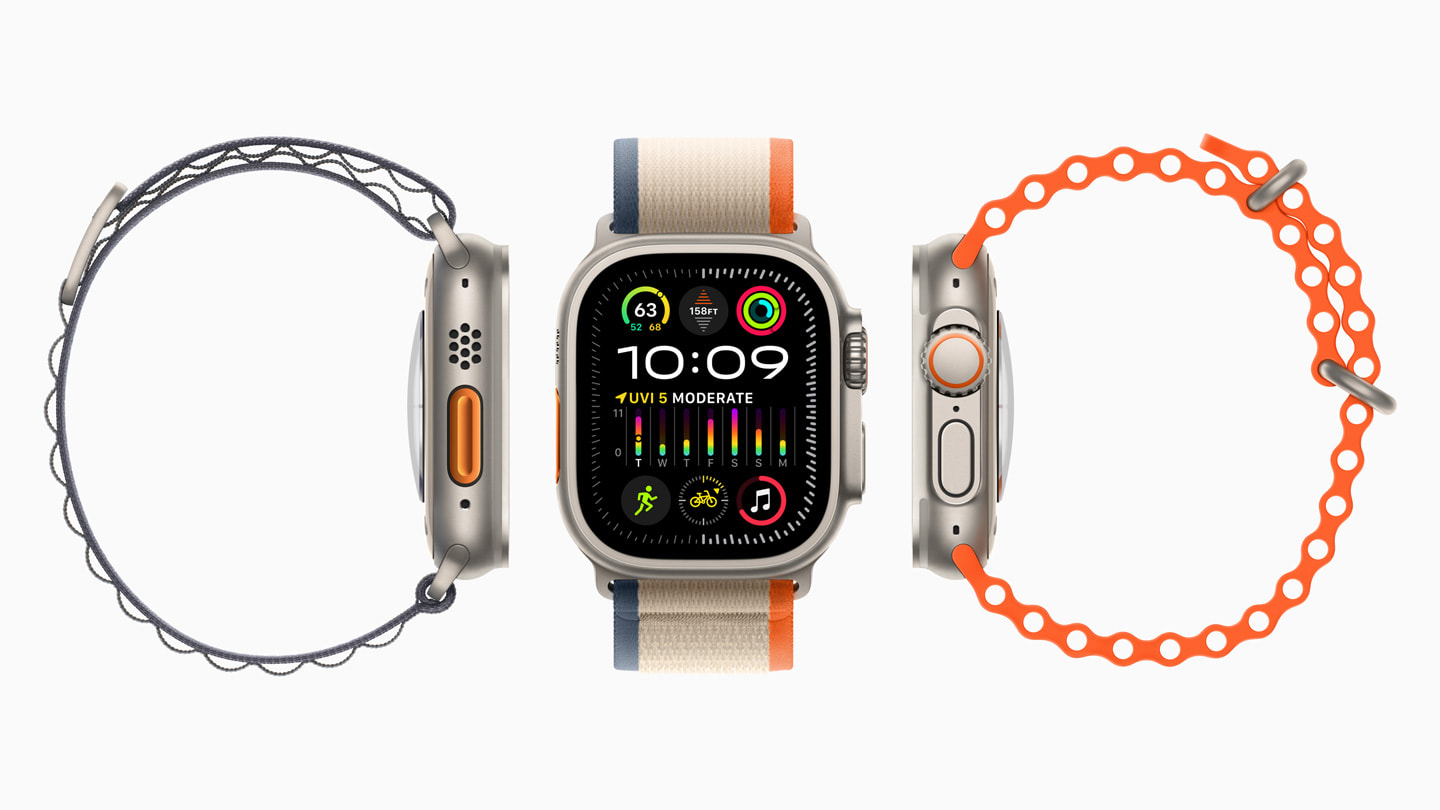
The Apple Watch Ultra 2 has a reputation when it comes to subscriptions. Apple does have services you can subscribe to, but the hardware doesn’t require a monthly fee to use for fitness tracking.
Features:
- Accurate activity and heart rate tracking
- Advanced sleep analysis
- Integrated GPS that’s very accurate
- Rugged outdoor/water sports design
- Deep Apple Health integration.
You don’t have to buy Apple Fitness+; however, you can. In addition, you can access your health and workout data in full without paying monthly. This is what makes the Apple Watch Ultra 2 a superior choice among fitness trackers that require no monthly subscription.
Which Fitness Tracker Without a Monthly Subscription Is Right for You?
Lifestyle choices now influence what is best for you.
- For advanced athletes: Garmin Fenix 8
- For everyday fitness users: Garmin Vivoactive 6
- Budget-friendly tracking: Xiaomi Smart Band 8 or 9
- For wellness and recovery focus: Amazfit Balance or Helio Ring
- For the premium smartwatch experience: Apple Watch Ultra 2.
All of these options deliver genuine value and don’t lock features behind a paywall.
Read also: Best Adjustable Dumbbells for Home Workouts
FAQs: Fitness Trackers Without Monthly Subscription
Do fitness trackers still work if you don’t pay a monthly fee?
Yes. Many brands (Garmin, Apple, Samsung, Amazfit, etc.) employ quality sensors that allow you to have accurate heart rate, sleep, and activity tracking without having to subscribe.
2. What do you usually get for free on non-subscription-based fitness trackers?
Basic functionalities like step tracking, heart rate monitoring, sleep tracking, workout history , and health reports are included without any hidden or extra costs.
3. Is it worth buying a fitness tracker without monthly fees?
Yes. Without a subscription, they are more affordable and provide uninterrupted access to your health data.
4. Do some fitness trackers put key features behind a paywall?
Some companies provide optional paid premium services, but the top fitness trackers that don’t require a monthly subscription give you full access to health statistics for free.
5. What is the best fitness tracker without a subscription for beginners?
If you’re a beginner, the Xiaomi Smart Band 8 or 9 and the Samsung Galaxy Fit 3 are definitely the best options for you due to being easy to use, cheap, and having no monthly fees.
Final Thoughts on the Best Fitness Trackers Without a Monthly Subscription
The best fitness trackers that don’t require a subscription give you one more freedom. It allows you to view and track your progress.
Whether you choose Garmin for depth, Xiaomi for value, Amazfit for wellness insights, Samsung for simplicity, or Apple for premium performance, the secret is transparency. A single purchase should result in long-term usefulness.




Some people work out in the morning, while others prefer to work out in the evening. Either can be great. However, when you want to decide between morning and evening workout plans, there are things you must consider. Do you have a busy morning and what are your fitness goals? Let’s start from here.
There is no perfect time to exercise. An individual may choose to workout in the morning because he or she has a less busy day. If you decide to workout afterwork, it is still okay.
Does Workout Timing Matter more
The body operates under a twenty four hour cycle. This cycle impacts strength, balance, reaction times, and your energy system. Not giving it attention may decelerate the progress. In the morning, when you wake up, your body is stiff. The core temperature is low. The joints are tight. The mind may be calm but slow.
However, at night, when you go to bed, the body is warmer. Muscles stretch more easily. Reaction time gets better. These subtle changes affect how the body responds.
How Hormones Change From Morning to Evening
Hormones sends signals to your body on how to use energy. It’s normal for these hormones to change during the day, you know? They don’t just stay the same. When you wake up in the morning, your cortisol levels are typically high. Cortisol helps get rid of stored energy, too. This helps your body burn fat while you work out.
There is testosterone, too, but it peaks earlier in the day. When evening comes, your cortisol levels go down. The body feels less stressed. Your muscles get stronger.
Understanding a Morning Workout Plan

There’s something about working out in the morning that feels really quiet and focused. It’s less distracting. The gyms are not as crowded. The day feels more organized. This plan is for individuals who have busy evenings. Let’s check out the good and bad parts.
Benefits of a Morning Workout Plan
Supports Fat Loss
Working out early, especially before breakfast, can push your body to use more fat for energy. Your blood sugar’s lower, so your system turns to stored fat. If you’re wondering whether morning or evening workouts burn more fat, mornings seem to help for some folks.
Improves Mood and Focus
Exercising in the morning circulates blood to your brain and help cut down on stress. People often feel sharper and in a better mood after an early session.
Frees Up the Evening
Doing your workout in the morning means your evenings are wide open. That’s a big deal for parents, shift workers, or anyone with a busy social life. When your routine fits your life, you’re more likely to stick with it.
Limits of a Morning Workout Plan
Reduced Strength and Power
Normally, in the morning, muscles feel stiff or sluggish. Lifting heavy feels harder, and sprint speed can dip. That can drag down your performance.
Higher Injury Risk Without Warm-Up
Joints and muscles need extra time to loosen up in the early hours. Rushing through can lead to strains.
Who Should Choose a Morning Workout Plan
A morning workout plan suits people who:
- Have busy evenings.
- Focus on fat loss or general fitness.
- Struggle with consistency later in the day.
Understanding an Evening Workout Plan
An evening workout plan means training after work or later in the day. This can be late afternoon or night. Many athletes prefer this timing.
The body is warmer. Muscles move better. Energy levels often peak. This makes intense exercise feel easier.
Benefits of an Evening Workout Plan.
- Balance gets better. This helps with lifting, sports, and fast movements.
- Lower Injury Risk: Warm muscles stretch more easily. Joints move smoothly. This reduces strain risk when lifting heavy or training hard.
- Stress Relief After Work: Evening exercise clears the mind. Many people sleep better after training, as long as it is not too late.
- Better Training Quality: Food intake during the day supports the workout. Glycogen levels are higher. This boosts longer and harder sessions.
Limits of an Evening Workout Plan
- Schedule Conflicts
Work delays, family duties, and fatigue can interfere. Missed workouts reduce results. - Sleep Disruption for Some
Late intense workouts may raise heart rate. This can delay sleep. Poor sleep hurts recovery. - Higher Gym Crowds
Evenings are busy. Waiting for equipment can reduce focus and flow.
Who Should Choose an Evening Workout Plan
So, who’s this evening workout thing really for? Maybe you’re not a morning person at all, or your day job makes daytime exercise a total no-go. If you’re someone under stress during the day, an evening workout seems like a perfect idea.
Also, if you find yourself with more energy as the day goes on, an evening session may be just what you need to make the most of that natural rhythm.
Is it better to work out in the morning or evening?
It really depends. When’s the best time to do something? It really just depends on you, not what the clock says. For some, morning workouts are best if you want to build a habit and burn fat. Working out in the evening really helps with strength and how well you perform.
If you keep at it, both things are good for your health. You know, the thing that really wins in the end is the plan you actually stick with for months, not just a few days.
Do Morning or Evening Workouts Burn More Fat
You can burn more fat if you exercise in the morning. Working out in the evening could help you burn more calories too. However, it comes down to your effort and what you eat; if those are in check, either one will help you lose the same amount of fat. The outcome hinges on a few things.
Comparing Morning and Evening Workout Plans
Morning workouts:
- Support routine.
- Reduce missed sessions
- Feel hard for strength training.
Evening workouts:
- Improve performance.
- Support heavy lifting.
Neither is wrong. One may simply be better for you.
How Timing Affects Different Fitness Goals
Fat Loss
Early training may help some people stay lean. Evening training may burn more calories. The better plan is the one you sustain.
Muscle Building. Evening workouts often support heavier loads. This helps muscle growth.
Heart Health
Both timings improve heart health equally when done regularly.
How to Choose the Right Plan
Ask yourself:
- When am I actually awake and ready to go?
- When is the best time for me?
- When do I stick to my workouts most often?
- How does my sleep react when I train at different times?
Building a Flexible Workout Plan
You don’t have to pick one set time and stick with it forever. Life’s messy. Work schedules change. Your energy levels shift. Some work out early during the week and later on weekends. Others change things up with the seasons. Staying flexible helps you stick with it for the long haul.
Read also: Vegetarian Meal Plan for Workout and Muscle Gain
Final Thoughts
It’s not about whether you work out in the morning or at nigh, there’s no right answer here. What matters is what fits your life. Your body gets used to whatever schedule you throw at it. What it wants is for you to keep moving, and not when.
Working out early in the morning takes some real discipline. On the other hand, training in the evening, you probably feel stronger and perform better. Either way, you will burn fat. The important thing is to pick a time that feels right to you, something you can stick with. That’s always the best plan.





For some people, when you mention supplements, they do not know whether it is vitamins or minerals they need. You’ve got protein powders, creatine, multivitamins, BCAAs, fat burners, and more. But one question that they often overlook is when to take these supplements. That’s where supplement timing becomes important.
Supplements are products that provide nutrients you may not get enough from your meals. They come in different forms, like powders, capsules, tablets, drinks, or gummies.
Here are some common types of supplements you might consider:
- Protein powders
- Multivitamins
- Creatine
- Omega-3s
- BCAAs (Branched-Chain Amino Acids)
- Pre-workouts and recovery mixes
Remember that supplements aren’t magic solutions. They’re meant to support a balanced diet, not replace real food. Consider them as extra nutrition, especially when you’re training hard.
Whether you want to gain muscle, burn fat, or speed up recovery, taking your supplements at the appropriate time helps you to achieve results faster.
So, why are supplements important? Well, athletes need more energy and nutrients than the average person. Whether they’re weightlifting, running, swimming, or playing sports, their bodies use up energy fast.
1. Repair Muscle
They help repair muscle. After a tough workout, your muscles are exhausted and a bit damaged (in a good way). To recover and grow stronger, they need protein. That’s where protein supplements can be really useful. Instead of having to whip up a whole meal every time, a protein shake can give your muscles what they need quickly and easily.
2. Boost Energy and Performance
Some pre-workout supplements have ingredients like caffeine, beta-alanine, and creatine. These help you lift more, and keep going without getting tired quickly during your workouts. If you’re into intense training or sports, these supplements can help you go longer.
3. Speed Up Recovery
After your workout, supplements like BCAAs, electrolyte drinks, or carb and protein mixes can help replace what your body used up. They ease muscle soreness, keep you hydrated, and help you recover faster—so you’re ready for your next workout.
4. Support the Immune System
Working out hard can sometimes weaken your immune system. Supplements like vitamin C, zinc, and multivitamins can help fill nutritional gaps and keep you healthy inside. Many athletes also take omega-3s to help with inflammation and support heart and joint health.
5. Improve Mental Sharpness
Training is as much about your mind as it is about your body. Supplements with adaptogens, like ashwagandha or ginseng, can help manage stress, improve sleep, and boost mental clarity. When your mind is sharp, you’ll have better form, discipline, and results.
But Wait—Are Supplements Necessary?
Not all the time. If you eat well, stay hydrated, and get enough sleep, you do not need many supplements. But for serious athletes, they can help fill in the gaps, especially when you’re training a lot or short on time.
How to Use Supplements Safely:
- Always read the label and stick to the dosage.
- Pick products that have been tested for safety and quality.
- If you’re not sure about something, chat with a health pro or coach.
Supplement Timing: The Benefits

Your body goes through different needs during the day. Here’s how it breaks down:
- You want energy in the morning or before working out.
- After exercise, you need protein to help rebuild your muscles.
- Taking your supplements at the right times can help you:
- Absorb nutrients better
- Reach your fitness goals.
Let’s check out some specific supplements and the best times to take them.
1. Protein Powders: When’s the Best Time?
If it is for muscle building or recovery, you need more protein.
Best Times to Take:
- Post-workout (within 30-60 minutes): This period is when your muscles need those amino acids.
- In the morning: After fasting, a protein shake can jumpstart muscle repair and help keep cravings in check.
Tip:
Whey protein is a quick option, making it perfect right after your workout. Casein digests slower, so it’s a good choice for nighttime.
2. Creatine: When Should You Take It?
Creatine boost your power, strength, and muscle size, but when’s the best time?
Best Time to Take:
- Post-workout: Some studies show creatine is absorbed better after workouts when insulin levels increase.
- With a carb/protein meal, insulin helps get creatine into your muscles.
Tip:
Take 3–5 g daily, and stick with it. Timing is a bit important, but the key is to use it regularly.
3. Pre-Workout Supplements
Pre-workouts are made to give you energy and focus and help with performance, so you need to take them at the right time.
Best Time to Take:
- 20–30 minutes before your workout.
Caution:
If your supplement has caffeine, don’t take it late in the day—it can affect your sleep.
4. BCAAs (Branched-Chain Amino Acids)
BCAAs reduce muscle breakdown and speed up recovery. Do you need to time them?
Best Time to Take:
- During or right after your workout for the best benefits.
- If you’re training on an empty stomach, sip on BCAAs before or during to help keep muscle.
5. Fat Burners
Fat burners usually have stimulants like caffeine or green tea extract, so timing is important to avoid jitters or sleep issues.
Best Time to Take:
- In the morning: To kickstart your metabolism and energy.
- 30 minutes before exercise: For better fat burning.
Avoid:
Taking them close to bedtime—they might keep you up.
6. Multivitamins: When Should You Take Them?
Timing your vitamins controls how your body absorbs them—especially for fat-soluble ones like A, D, E, and K.
Best Time to Take:
- With a meal that has healthy fats.
- In the morning or at lunchtime: Helps with nausea and daytime energy.
7. Magnesium, Zinc Recovery Supplements
These are great for relaxation, muscle recovery, and better sleep.
Best Time to Take:
- Before bed: Especially for magnesium or zinc blends, which help with restful sleep.
8. Fiber Gut Health Supplements
Fiber intake aid digestion and keep your body fit.
Best Time to Take:
- Before meals: To help control your appetite.
- In the evening: To aid in overnight digestion.
Drink plenty of water to avoid bloating.
9. Hydration Electrolyte Supplements
When you sweat, you lose important salts. Proper timing for hydration keeps you fueled and balanced.
Best Time to Take:
- Before and during exercise: To stop cramping and dehydration.
- After your workout: To replace lost fluids and restore electrolytes.
So, does timing matter?
Yes.
Here’s how it breaks down:
- For energy and performance, timing is key (think pre-workouts, caffeine).
- For muscle growth and recovery, post-workout protein and creatine are important.
- For general health (vitamins, minerals): Timing helps absorption, but regularity is more important.
In short, while timing isn’t everything, it can help you get better results.
Recap: Best Times to Take Supplements
- Supplement Type Best Time to Take
- Protein Powder Post-workout/Morning
- Creatine Post-workout / With carbs
- Pre-workout 20–30 mins before training
- BCAAs During/After a Workout
- Fat Burners Morning/Before Workout
- Multivitamins With food (morning/lunch)
- Magnesium/Zinc Before Bed
- Fiber Before Meals/Evening
- Electrolytes Before/During/Post-workout.
Wrapping Up
Supplements help athletes and every sports person; however, you use them with caution. They cannot replace food. Instead, they can give your body extra support. The main point for supplement timing is to allow your body absorb they properly before or after a workout.


-
 Health Tips2 years ago
What Tea Is Good For Kidney Cleanse?
-
 Nutrition & Diet1 year ago
Which Nuts Are Good For Kidneys?
-
 Fitness Tips1 year ago
Will Metoprolol Help With Heart Palpitations?
-
 Health Tips10 months ago
The Ultimate Guide To ICD-10 Coding For Prostate Cancer
-
 Exercise12 months ago
Jawline Exercises: How to Get a Sharper, More Defined Jawline Naturally
-
 Health Tips11 months ago
Tylenol vs. Ibuprofen: Which is Better for Heart Disease?
-
 Health Tips1 year ago
Can Allergies Cause Heart Palpitations? Understanding the Connection
-

 Health Tips2 months ago
How to Get Affordable Health Insurance in the US